

TRADE INSIGHTS
Plastering Through the Ages: A Brief History of the Trade
Updated September 2026 • By Neil – P3 Plastering
After spending more than 40 years as a plasterer, you’d think I would have given quite a lot of thought to where the trade actually came from. Strangely enough, I hadn’t.
What originally sent me looking into plastering history was a post I came across online claiming that plasterers in the Middle Ages added ale to their plaster to make it more workable — and helped themselves to some of it too. According to the story, that’s supposedly where the expression “plastered” came from.
A plastering trade involving free ale sounded like something I should have investigated years ago, so I decided to find out a little more about what my job might have looked like if I’d been born in another century.
What I found was much more interesting than I expected. People have been coating, smoothing and decorating walls for thousands of years. The materials and tools have changed enormously, but many of the reasons for doing it are surprisingly familiar.
Where Did Plastering Begin?
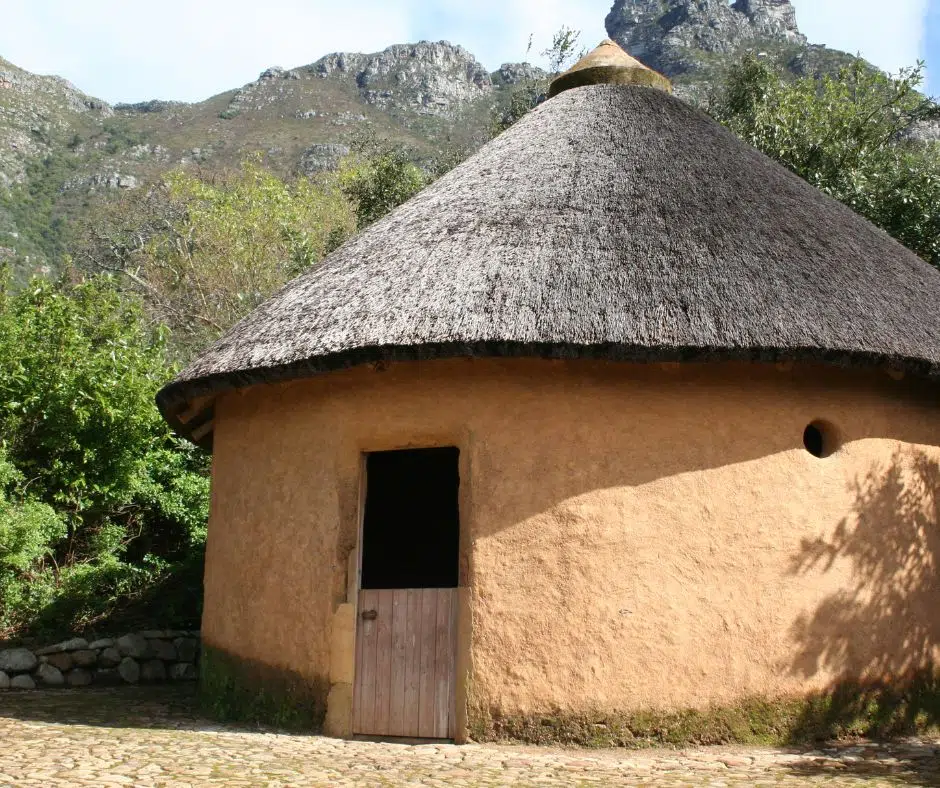
The earliest forms of plastering were very different from the bags of gypsum plaster we use today. Early builders used materials that were readily available to them, including mud, clay and other natural materials, to coat and protect the surfaces of shelters.
Archaeological evidence from the ancient Near East shows that plaster-like wall and floor finishes were being produced thousands of years ago.
It is an extraordinarily old idea: build the basic structure and then cover the rough surface with another material to protect it and create a better finish.
In that respect, the basic principle behind plastering and rendering hasn’t changed as much as you might imagine.
Plastering in Ancient Egypt

Ancient Egypt provides some remarkable surviving examples of plastered and decorated surfaces.
Gypsum and lime-based materials were used to produce surfaces that could be smoothed and decorated, including walls associated with tombs and other important buildings.
For me, one of the fascinating things about ancient plasterwork is that the plaster wasn’t necessarily intended to be the final decoration. Just as we create a smooth wall today so that somebody can paint it afterwards, ancient craftspeople used prepared plaster surfaces as a base for decorative work.
The products are very different, but as a plasterer I can certainly recognise the idea.
The Greeks and the Development of Decorative Plaster

The ancient Greeks also made extensive use of lime-based plaster and stucco finishes.
Plaster wasn’t simply functional. Smooth and decorative finishes became part of architecture itself, with stucco capable of being formed and finished in ways that went far beyond covering a rough wall.
That decorative side of the trade has survived for centuries and eventually developed into the elaborate cornices, mouldings, ceiling decoration and other ornamental plasterwork we still associate with historic buildings.
Wattle and Daub in Britain

In Britain, one of the best-known early building techniques was wattle and daub.
A woven framework of timber strips — the wattle — was covered with daub made from locally available materials. Mixtures varied, but could include clay or earth combined with fibrous material such as straw.
The result filled the spaces within timber-framed buildings and produced solid wall panels from relatively simple materials.
Examples survive in historic buildings today, providing a reminder that wall-plastering techniques existed long before modern plasterboard and gypsum finishing plaster appeared.
Roman Plasterwork

The Romans developed plastering and stucco work to a very high standard and used lime-based materials extensively.
Internal plaster provided surfaces for decorative wall painting, while stucco could be used to create architectural and ornamental details.
Roman villas and other buildings found across Britain demonstrate just how sophisticated some of this work became.
By this stage, plaster was clearly doing several jobs at once: covering and protecting the building fabric, creating smooth internal surfaces and providing a medium for decoration.
Plastering in Medieval Britain

Plaster also had an important role in medieval buildings, where timber construction and combustible roof and wall materials created an obvious fire risk.
Historical regulations in medieval London included requirements for certain buildings to be plastered or whitewashed as part of attempts to reduce the danger from fire.
The original version of this article went into considerable detail about medieval ordinances, wages and individual monarchs. The broader point is the one I find most interesting: plaster was becoming important not only as a finish and decoration but also as part of attempts to make buildings safer.
What Did Medieval Plasterers Put in Their Plaster?
Historic plaster mixes could be very different from anything you’d find on a modern building site.
Traditional lime plasters were often reinforced with animal hair, while historical accounts and surviving material show that plaster and building mixtures could contain a variety of organic additives depending on the period, location and purpose.
And what about the ale that started me looking into all this?
There are historical references to beer or ale and other organic ingredients being used in building and finishing mixtures. What I couldn’t establish was the second half of the story — that plasterers drinking the ale is genuinely where our modern expression for getting “plastered” originated.
It’s a brilliant story. I just wouldn’t repeat the origin of the expression as historical fact.
Decorative Plasterwork Becomes a Skilled Craft

As British architecture developed through the later medieval and Tudor periods, decorative plasterwork became increasingly elaborate.
Pargeting was used to create decorative external surfaces on timber-framed buildings, while ornamental internal plasterwork became increasingly important in grand houses.
The trade itself was becoming more organised too. London’s plasterers formed a guild in the early 16th century, part of the development of the organisation now known as the Worshipful Company of Plaisterers.
For a modern plasterer, it is interesting to see just how seriously the quality of materials, training and workmanship was already being treated centuries ago.
The 17th and 18th Centuries: Plaster as Interior Design


By the 17th and 18th centuries, decorative plasterwork had become an important feature of fashionable interiors.
Elaborate ceilings, cornices, mouldings and other decorative details were used in important houses and public buildings. Designers including Robert Adam became particularly associated with highly decorative interiors incorporating intricate plasterwork.
Many of the features we now think of as traditional plasterwork — decorative cornices, ceiling details and mouldings — developed from this long tradition of plaster being used as an artistic material as well as a practical wall finish.
Decorative plasterwork remains part of the trade today. P3 still undertakes specialist work including plaster coving, cornice restoration and other decorative plaster mouldings.
From Lath and Plaster to Plasterboard
For generations, internal walls and ceilings were commonly formed using laths fixed across the timber structure and covered with successive coats of plaster.
It was labour-intensive work, and anyone who has renovated an older property may still encounter traditional lath-and-plaster walls or ceilings today.
During the late 19th century, products that would eventually lead to modern plasterboard began to appear. Augustine Sackett patented a board made using layers of plaster and paper in the United States, an important step in the development of manufactured gypsum board.
Over time, plasterboard transformed internal construction. Instead of creating every wall or ceiling surface from wet plaster over timber laths, boards could form the background before joints or a plaster finish were applied.
Today, plasterboarding is an everyday part of the trade, whether we’re lining ceilings, constructing stud walls or preparing surfaces for skimming.
Plastering in the 20th Century
The 20th century brought the widespread use of manufactured gypsum plasters and plasterboard systems that would be familiar to plasterers working today.
Factory-produced materials offered much greater consistency than a plasterer preparing traditional mixtures from basic raw ingredients on site.
Tools and working methods changed too, but hand application and finishing remained central to much of the trade.
Modern Plastering
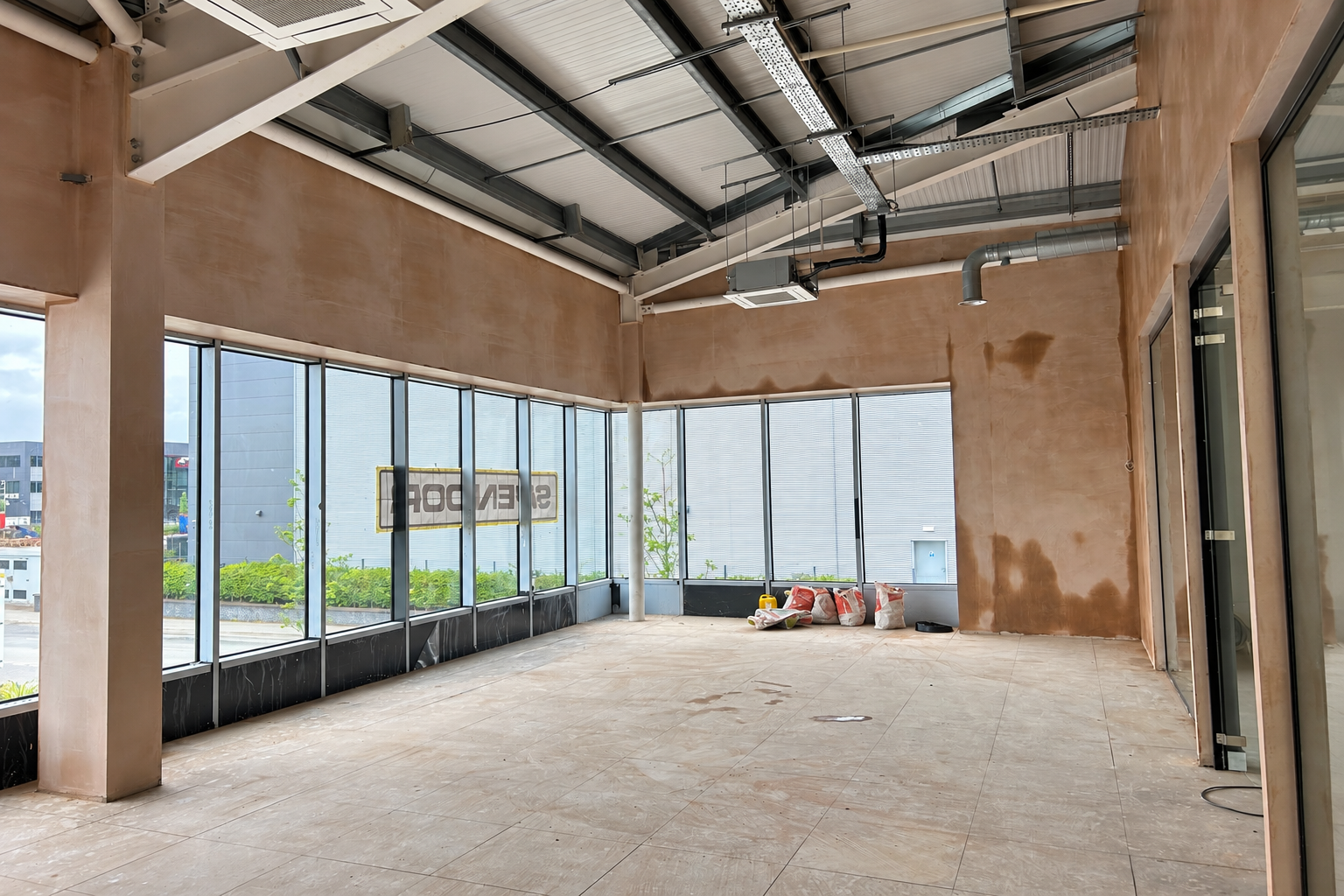
The range of products available to a plasterer today would be almost unrecognisable to the craftspeople who worked with mud, lime, hair and timber centuries ago.
Modern plasterers can work with manufactured plasterboard, bagged gypsum plasters, specialist backgrounds, beads and reinforcement products, as well as a wide variety of modern external render systems.
Different products have been developed for different substrates and applications, while modern tools and mixing equipment make many parts of the job easier and more consistent.
But there is still a very recognisable connection between the old trade and the modern one.
P3 INSIGHT
Materials have changed enormously, but good plastering still depends on understanding the background, preparing it properly, using the right materials for the job and having the skill to apply and finish them well.
What Hasn’t Changed?
Looking through the history of plastering, this is probably what interests me most.
Thousands of years ago, people wanted to turn rough structures into more protected, usable and attractive spaces. Later generations wanted smoother walls, safer buildings and increasingly decorative interiors.
Today the materials are completely different, but a homeowner still wants much the same basic outcome: a properly prepared surface and a good finish that makes the room or exterior look better.
And despite all the advances in products and equipment, there is still a large part of plastering that comes down to what somebody can do with their hands and a trowel.
Plastering History FAQs
How old is plastering?
Plaster-like wall and floor coatings have been used for thousands of years. Early examples used locally available natural materials, while ancient civilisations later developed sophisticated lime and gypsum-based finishes.
Did the ancient Egyptians use plaster?
Yes. Ancient Egyptian buildings and tombs provide surviving examples of plastered surfaces, including finishes used as backgrounds for decorative painting.
What is wattle and daub?
Wattle and daub is a traditional construction technique in which a woven timber framework is covered with a workable mixture commonly based on earth or clay and fibrous material. Examples survive in historic timber-framed buildings.
Why was plaster used in medieval buildings?
Plaster provided a wall finish and could also contribute to fire protection. Historical regulations in medieval London included requirements for plastering or whitewashing certain buildings where fire was a particular concern.
When was plasterboard invented?
The development of modern plasterboard took place over time. In the late 19th century, Augustine Sackett patented a board made from layers of plaster and paper, which became an important predecessor of modern gypsum plasterboard.
Did medieval plasterers really put ale in plaster?
Historical building mixtures could contain organic additives, and there are references to beer or ale being used in some mixtures. However, the entertaining claim that this is where the expression “getting plastered” originated is not something I was able to substantiate when researching the original version of this article.
A Trade With a Very Long History
When I first started looking into this, I expected to find a few interesting facts about old plastering techniques. I hadn’t appreciated quite how far back the story went or how important plasterwork had been to architecture and decoration over the centuries.
From early earth coatings and ancient decorated walls to wattle and daub, lime plaster, elaborate ornamental ceilings, lath and plaster, plasterboard and modern gypsum products, the trade has constantly adapted to the buildings and materials of its time.
After more than 40 years working as a plasterer myself, I rather like the fact that the tools and materials around us keep changing while the basic craft remains recognisable.
As for the medieval ale, I still think I may have been born in the wrong century.
Cheers,
Neil
ABOUT THE AUTHOR
Neil – P3 Plastering
Neil has worked in the plastering trade for over 40 years and leads P3 Plastering, providing plastering, rendering and specialist plasterwork across Sheffield and South Yorkshire. The advice shared in the P3 Advice Centre draws on decades of practical experience working on homes and properties throughout the area.

RELATED ADVICE
You May Also Find These Guides Helpful

Ready to Discuss Your Project?
Whether you’re planning a single room, a full property renovation or a larger plastering project, talk to P3 Plastering about your requirements and arrange a free, no-obligation quotation.
Stay up to date with P3 Plastering
Get occasional updates, project inspiration and useful plastering advice. You can unsubscribe at any time.


Contact P3 Plastering
11 Meadowpark Croft, Dinnington, Sheffield, S25 2XP
neil@p3plastering.co.uk
07762 755947
© 2026 P3 Plastering Ltd. All rights reserved.