
HOME MAINTENANCE TIPS
Do You Need to Prime New Plaster Before Painting?
Updated September 2026 • By Neil – P3 Plastering
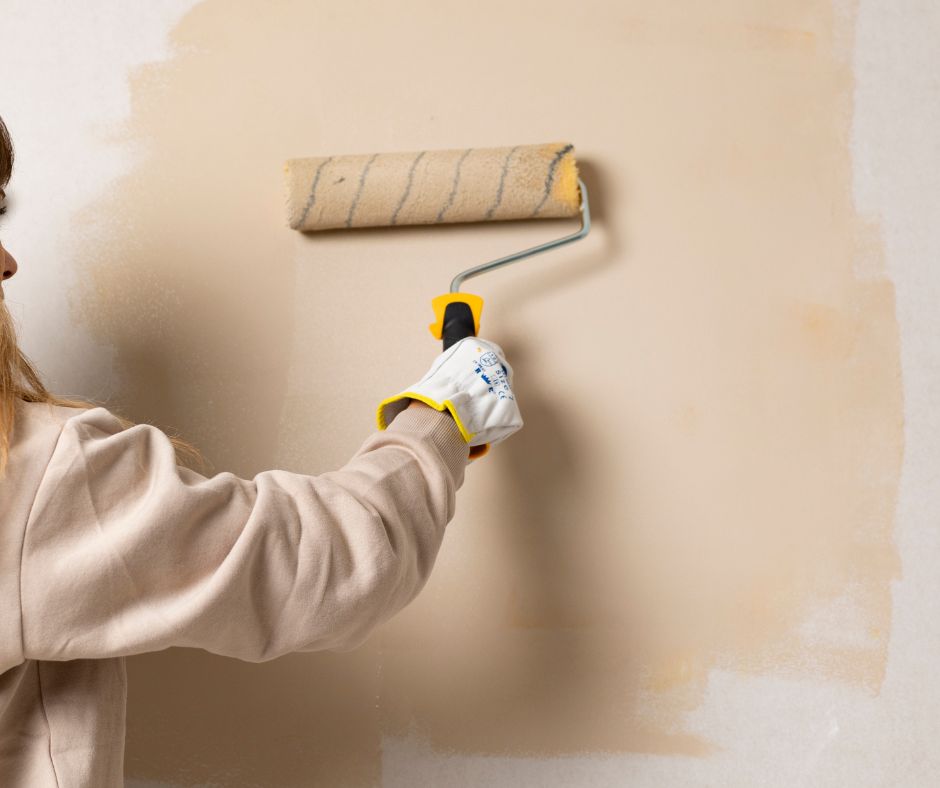
Freshly plastered walls can look ready for paint once they have dried, but new plaster is highly porous and needs the right preparation before normal finishing coats are applied.
In most cases, that means applying an appropriate first coat designed for new plaster before moving on to your normal decorative coats. Depending on the paint system, this may be a correctly prepared mist coat or a suitable primer specifically recommended for the surface.
The important point is not to rely on one universal recipe. Different paints and primers have different application instructions, so always check the manufacturer’s guidance for the product you intend to use.
Why Does New Plaster Need Preparing Before Painting?
New plaster is porous. If ordinary finishing paint is applied directly to a highly absorbent plaster surface without the appropriate preparation, moisture from the paint can be absorbed unevenly and too quickly.
This can affect how well the paint adheres and may also result in an uneven or disappointing finish.
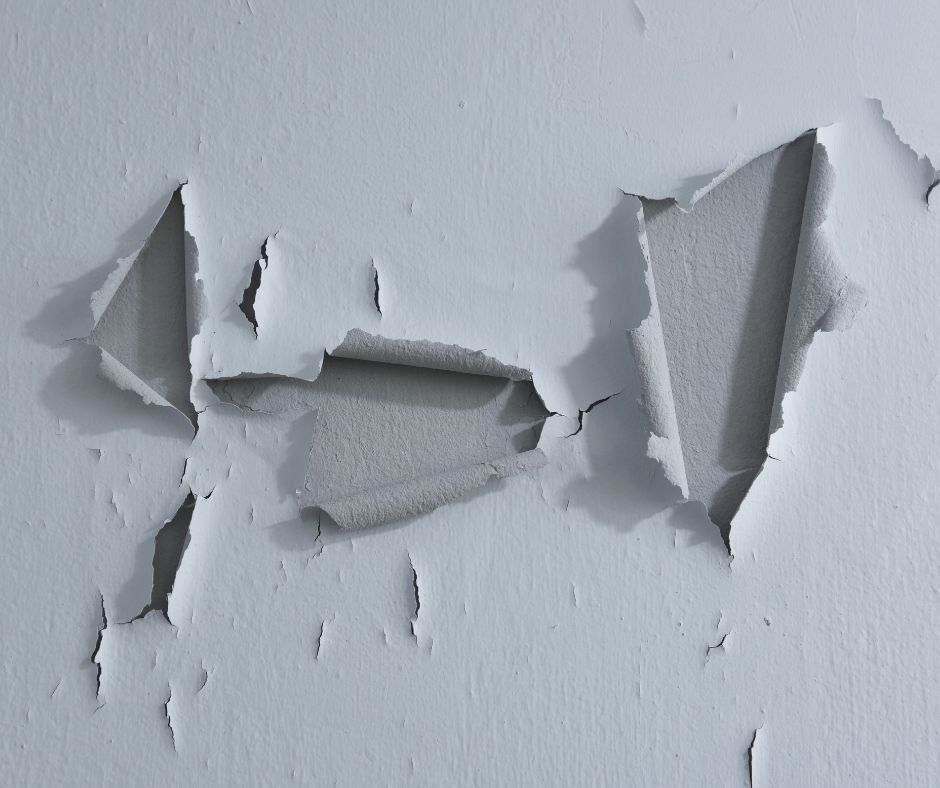
Correctly preparing the plaster helps the first paint system bond to the surface and provides a more suitable base for the decorative coats that follow.
Do You Need to Prime New Plaster?
Yes, new plaster normally needs an appropriate first coat before standard finishing coats are applied. However, “priming” does not necessarily mean buying a separate tin labelled plaster primer.
Depending on the paint manufacturer’s instructions, you may use:
- A suitably diluted first coat of an appropriate water-based emulsion — commonly called a mist coat.
- A dedicated primer or paint system specifically suitable for new plaster.
Whichever method you use, follow the instructions for the actual product rather than assuming that every paint should be diluted in the same proportions.
What Is a Mist Coat?
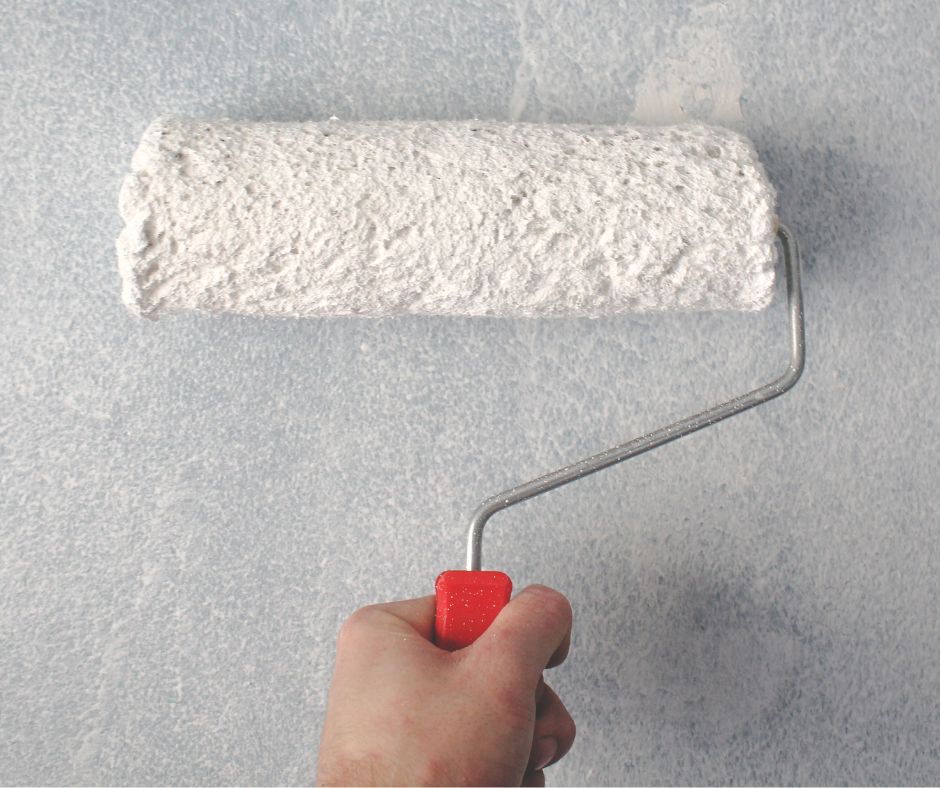
A mist coat is a first coat of suitable water-based paint that has been diluted where required by the paint manufacturer for application to bare plaster.
The purpose is to provide an appropriate first painted surface on the porous plaster before the normal finishing coats are applied.
You will often see fixed ratios such as 70% paint to 30% water recommended online. The problem is that there is no single dilution ratio that is correct for every paint.
Some products require different amounts of water and others may be designed for application to new plaster without the same dilution. Check the manufacturer’s instructions on the tin or technical information for the product you are actually using.
P3 TIP
Don’t automatically use a 70/30 mist-coat recipe because you’ve seen it online. Choose a paint suitable for new plaster and follow that particular manufacturer’s instructions for dilution, application and drying between coats.
Mist Coat or Specialist Primer?
Both approaches can be appropriate when the products are designed for use on new plaster.
Mist coat
A mist coat uses a suitable water-based paint prepared according to the manufacturer’s instructions for bare plaster. It is a common method of preparing newly plastered walls and ceilings before further coats of paint.
Dedicated primer
Some manufacturers offer primers or paint systems intended for bare or newly plastered surfaces. If using one of these products, follow its own preparation, application and overcoating instructions.
There is no need to add an unnecessary extra product simply because it is called a primer. The important thing is to use a compatible system intended for the surface you are decorating.
Should You Use PVA Before Painting New Plaster?
PVA is widely used for various purposes within plastering and building work, but you should not automatically apply it to new plaster as a substitute for the first paint coat or primer recommended by your paint manufacturer.
Applying an unsuitable sealer can affect the way subsequent paint bonds to the surface.
If the paint system specifies a mist coat, plaster primer or another particular preparation, follow those instructions rather than adding PVA simply because the wall is newly plastered.
How Long Should New Plaster Dry Before Painting?
There isn’t one drying time that applies to every newly plastered wall or ceiling.
Drying time can be affected by:
- The thickness and type of plaster.
- The background onto which it has been applied.
- Room temperature.
- Humidity.
- Ventilation and air movement.
- The amount of moisture already present in the building.
Fresh plaster normally changes from a darker colour to a much lighter, more even appearance as it dries. Darker areas can indicate that moisture remains, although appearance alone should not be treated as an exact moisture measurement.
The important thing is to allow the plaster to dry properly before applying a paint system that requires a dry surface rather than painting simply because a fixed number of days has passed.
How to Prepare New Plaster for Painting
Once the plaster is properly dry, preparation is relatively straightforward.
1. Check the plaster is dry
Make sure the newly plastered surface has dried adequately before decorating. Don’t rely solely on a predetermined timetable if the wall still contains visibly damp areas.
2. Check the surface
Inspect the wall or ceiling for dust, debris or anything else that may affect the paint finish. Newly plastered surfaces should generally be smooth and ready for decoration once dry, but minor preparation may occasionally be needed.
If there is significant cracking, loose material or damage rather than a simple decorating imperfection, it may need proper plaster repair before painting.
3. Protect the room
Cover floors and anything that cannot be removed. A diluted first coat can be thinner and more prone to splashing than normal finishing paint.
4. Prepare the first coat
Prepare the appropriate paint or primer exactly as directed by its manufacturer. If the instructions specify dilution for new plaster, use the recommended amount of clean water.
5. Apply the first coat evenly
Apply the mist coat or primer evenly across the newly plastered surface, following the product instructions.
6. Allow it to dry
Allow the first coat to dry for the period specified by the manufacturer before applying subsequent coats.
7. Apply your finishing coats
Once the prepared surface is ready for overcoating, apply your chosen finishing paint according to its instructions. The number of coats required will depend on the paint, colour and surface.
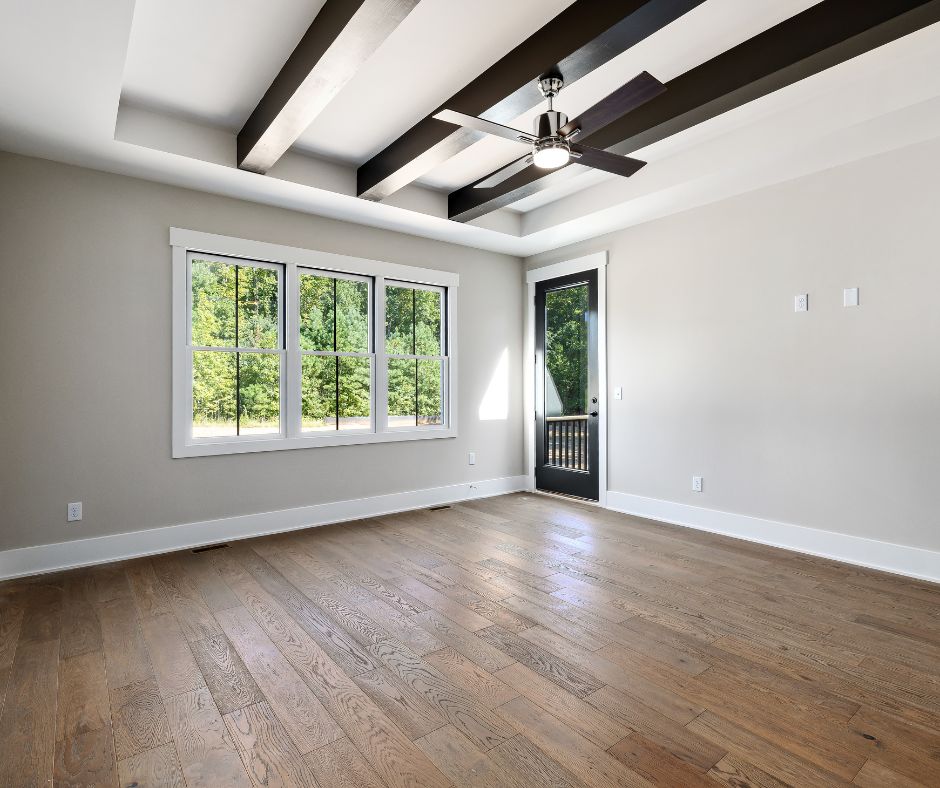
What Happens If You Paint Straight Onto New Plaster?
Applying an unsuitable finishing paint directly to highly porous bare plaster can result in uneven absorption and poor adhesion.
Possible problems can include:
- An uneven or patchy finish.
- Poor adhesion of the paint.
- Paint lifting or peeling in some circumstances.
- Extra work needed to correct the finish afterwards.
Using the appropriate first coat gives the decorative paint a better prepared surface to go onto.
Painting New Plaster in Cold or Damp Conditions
Cold temperatures, high humidity and poor ventilation can slow the drying of newly plastered walls considerably.
Gentle ventilation and normal background heating can help create suitable drying conditions, but trying to force plaster to dry extremely quickly with intense localised heat is not a good substitute for allowing it to dry naturally and evenly.
Always check the temperature and environmental requirements of the paint you intend to use as well. Paint products have their own minimum application conditions.
Common Mistakes When Painting New Plaster
Painting before the plaster is dry
Don’t rush decoration simply because you want the room finished. Allow the plaster to dry properly before applying a paint system that requires a dry surface.
Using one mist-coat ratio for every paint
Different paints have different instructions. A dilution ratio suitable for one product may not be correct for another.
Using the wrong type of paint
Check that the product is suitable for new plaster and use the preparation method recommended by its manufacturer.
Automatically sealing with PVA
Don’t add PVA as an improvised paint primer unless it forms part of a specific compatible system. Follow the instructions for the decorating products you’re actually using.
Ignoring problems in the plaster
Paint will not correct loose, badly cracked or deteriorating plaster. If the surface itself has failed, deal with the underlying plaster problem before decorating.
Our guide to signs you may need to replaster walls explains some of the warning signs in more detail.
New Plaster Painting FAQs
Do you have to prime fresh plaster before painting?
Fresh plaster normally needs an appropriate first coat before ordinary finishing coats are applied. Depending on the paint system, this may be a suitably prepared mist coat or a dedicated primer suitable for new plaster.
What is the best primer for new plaster?
There isn’t one product that is best for every situation. Choose a paint or primer specifically suitable for new plaster and follow the manufacturer’s preparation and application instructions.
What ratio should a mist coat be?
There is no universal mist-coat ratio. Use the dilution specified by the manufacturer of the paint you’re using rather than automatically following a generic ratio found online.
Can I use white emulsion as a mist coat?
Potentially, if the particular paint is suitable for application to new plaster and its manufacturer provides instructions for using it in this way. Not every emulsion should automatically be treated as interchangeable.
Can I use PVA to seal new plaster before painting?
Don’t automatically use PVA as a substitute for the first coat specified by the paint manufacturer. Use the preparation method recommended for the paint system you intend to apply.
How do I know when plaster is dry enough to paint?
Plaster generally becomes much lighter and more uniform in colour as it dries, but drying time varies with the plaster, thickness, background and room conditions. Follow the requirements of the paint system and don’t paint over visibly damp plaster simply because a set number of days has passed.
Should I sand new plaster before painting?
A well-finished newly plastered surface should not normally require aggressive sanding. Check for any small imperfections or debris and prepare them appropriately without unnecessarily damaging the finished plaster surface.
Recently Had Your Walls Plastered?
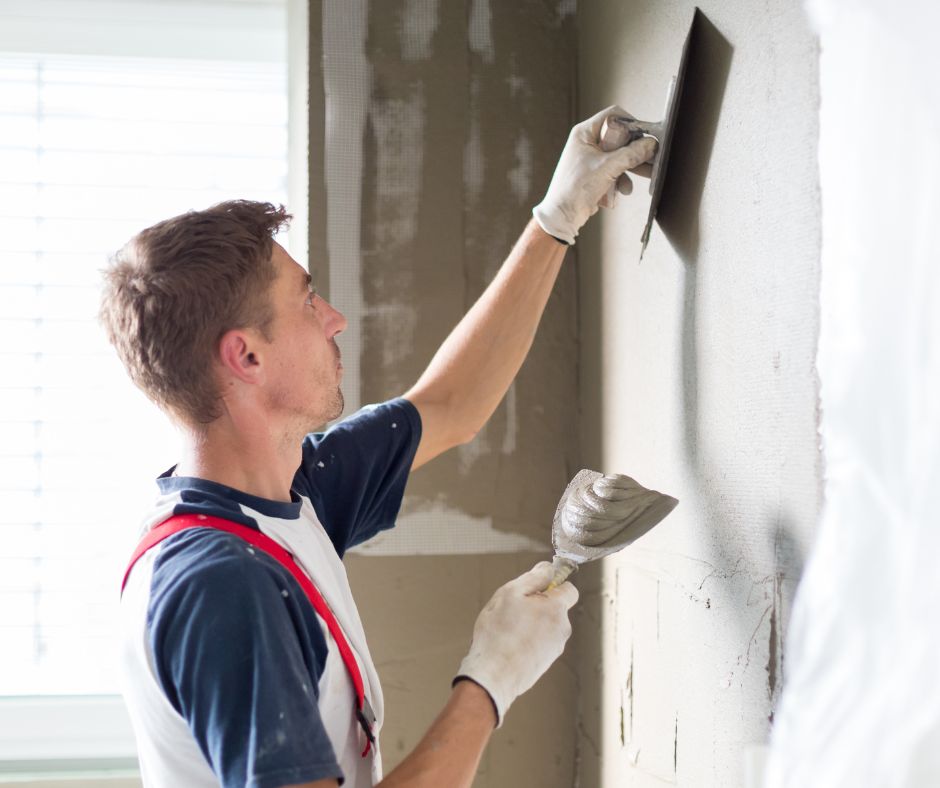
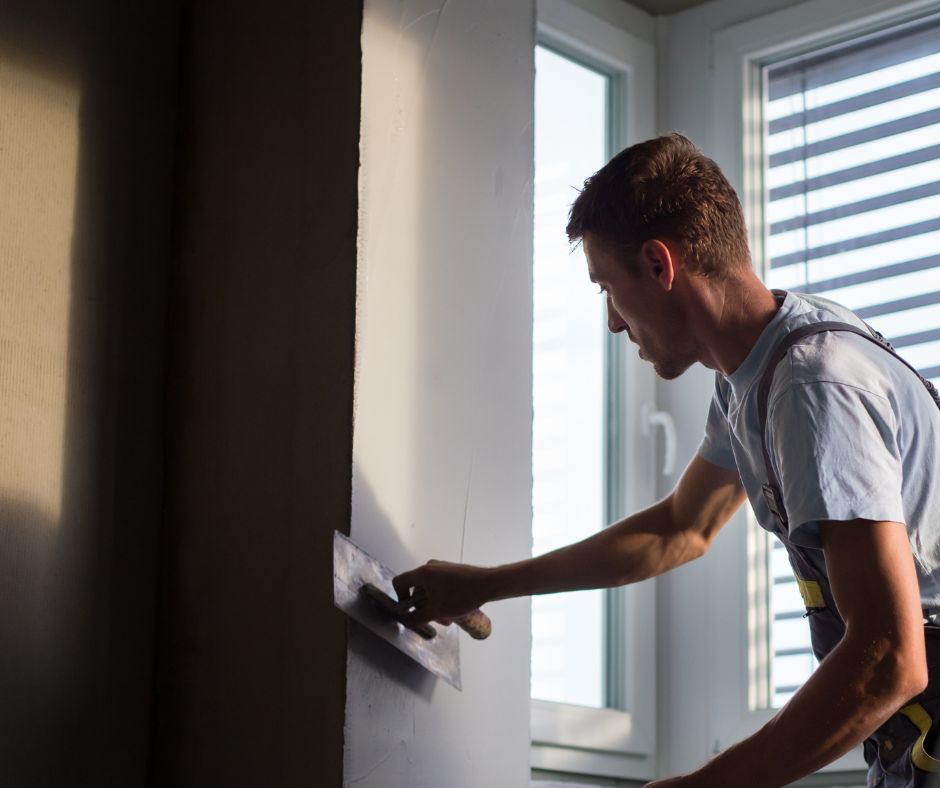
If P3 has recently completed skimming or other plastering work in your home, allow the new plaster to dry properly before decorating and follow the instructions for the paint system you choose.
If your existing walls are damaged, uneven or not yet ready for decoration, P3 provides professional plastering and re-skimming across Sheffield and the surrounding area.
Contact P3 Plastering if you’d like to discuss plastering work or arrange a quotation.
Final Thoughts
New plaster needs the right preparation before normal decorative coats are applied, but there is no single mist-coat recipe that applies to every paint.
Allow the plaster to dry properly, choose a paint or primer suitable for new plaster and follow that manufacturer’s instructions for preparation, dilution, application and drying. Taking a little extra care at this stage gives the finished decoration a much better foundation.
ABOUT THE AUTHOR
Neil – P3 Plastering
Neil has worked in the plastering trade for over 40 years and leads P3 Plastering, providing plastering, rendering and specialist plasterwork across Sheffield and South Yorkshire. The advice shared in the P3 Advice Centre draws on decades of practical experience working on homes and properties throughout the area.

RELATED ADVICE
You May Also Find These Guides Helpful

Ready to Discuss Your Project?
Whether you’re planning a single room, a full property renovation or a larger plastering project, talk to P3 Plastering about your requirements and arrange a free, no-obligation quotation.
Stay up to date with P3 Plastering
Get occasional updates, project inspiration and useful plastering advice. You can unsubscribe at any time.


Contact P3 Plastering
11 Meadowpark Croft, Dinnington, Sheffield, S25 2XP
neil@p3plastering.co.uk
07762 755947
© 2026 P3 Plastering Ltd. All rights reserved.