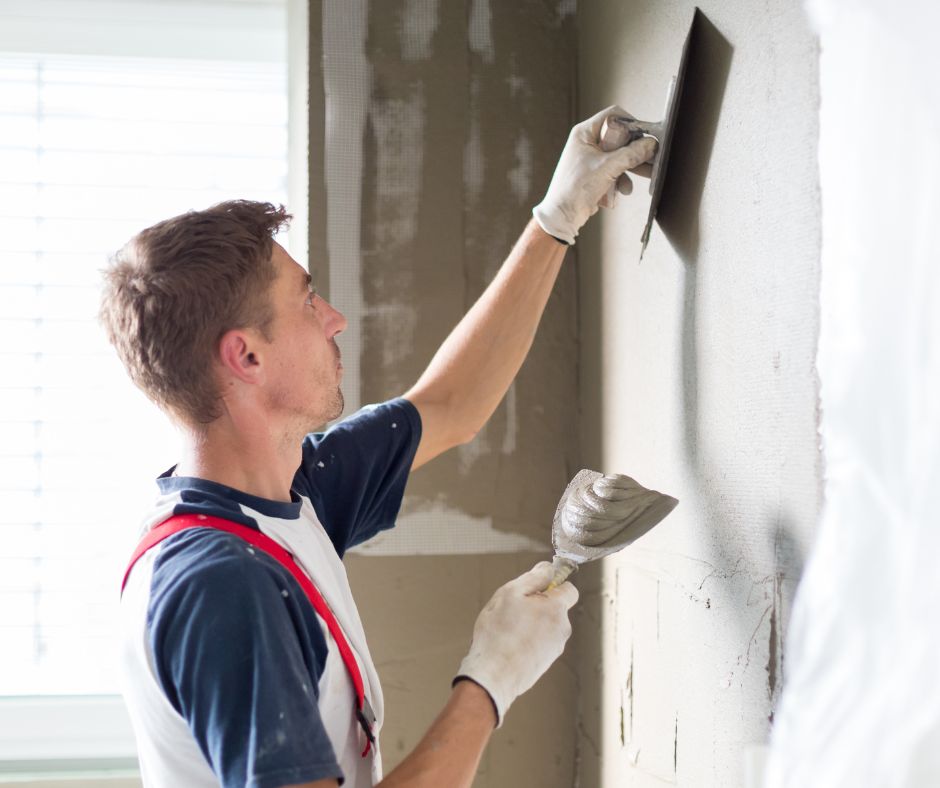

Hiring a plasterer is an important decision. Good plasterwork provides the foundation for decorating and can make a significant difference to the finished appearance of a room, while poor preparation or workmanship can leave you with problems that are difficult to disguise with paint.
If you’re looking for a plasterer in Sheffield, it can be difficult to know who to choose or what you should be checking before accepting a quotation.
This guide explains some of the things worth considering, from experience and insurance to quotations, reviews and examples of previous work.
Why Hire a Local Plasterer in Sheffield?
Choosing a genuinely local plasterer has some practical advantages. Someone who regularly works around Sheffield is likely to be familiar with the mixture of properties found throughout the city and surrounding areas.
That includes older terraced properties around areas such as Walkley, Crookes and Hillsborough, larger period homes in places including Nether Edge and Ecclesall, and more modern properties across Sheffield and the surrounding South Yorkshire area.
Different properties can present different challenges. Existing backgrounds, previous alterations, old plaster, textured ceilings and the condition of walls all need to be considered before deciding how a surface should be prepared and finished.
A local plasterer should also be able to show you examples of work completed in the area and provide reviews from previous customers.
Look at Experience as Well as Qualifications
Qualifications can provide evidence of formal training, but they are only one part of choosing a plasterer.
Practical experience is particularly valuable because plastering often involves working with existing surfaces rather than ideal new-build backgrounds. A plasterer may need to assess old plaster, previous repairs, cracks, uneven walls, damaged ceilings or areas that have been altered over many years.
When speaking to a plasterer, consider whether they have relevant experience with the type of work you need rather than simply asking how many years they have been in the trade.
For example, someone looking for walls to be re-skimmed may want to see examples of similar finished rooms, while a project involving damaged walls may require experience in plaster repairs and preparation before skimming.
Ask to See Genuine Examples of Previous Work
One of the most useful ways to assess a plasterer is to look at work they have actually completed.
A portfolio can help you see whether the company regularly carries out the kind of work you’re considering. Look for genuine photographs showing different stages and types of plastering rather than relying entirely on generic promotional images.
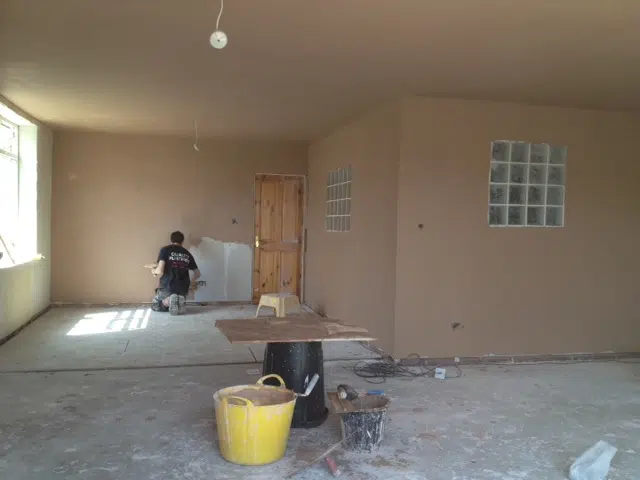
P3 has examples of completed plastering, rendering and specialist plasterwork in our portfolio, including work carried out in homes throughout Sheffield and the surrounding area.
Check Independent Customer Reviews
Photographs show you the physical work, but reviews can tell you more about the overall customer experience.
Look beyond the star rating and read what customers actually say. Comments about reliability, communication, cleanliness and how the property was treated can be just as useful as comments about the finished plasterwork.
It’s also worth looking for reviews across established independent platforms rather than relying only on testimonials reproduced on a company’s own website.
You can see feedback from P3 customers on our Reviews page, including reviews originally left through Google and Checkatrade.
P3 TIP
Don’t choose a plasterer on price alone. Compare what is actually included in each quotation, look at genuine examples of previous work and check recent customer reviews. A cheaper figure isn’t necessarily cheaper if the quotations cover different amounts of preparation, materials or work.
Make Sure the Plasterer Is Properly Insured
Before allowing someone to carry out work in your home, it’s reasonable to check that the business has appropriate insurance for the work it undertakes.
Public liability insurance is particularly relevant for tradespeople working in customers’ properties. If you’re unsure, ask the plasterer what insurance they hold.
You can also ask what guarantee, if any, applies to the work being quoted and make sure you understand what it covers.
Get a Clear Written Quotation
Plastering prices can vary considerably because two jobs that initially sound similar may require very different levels of preparation and labour.
The size of the area is only one factor. Existing surfaces, access, ceiling height, removal of loose material, plasterboarding, repairs and the chosen specification can all affect the amount of work involved.
Rather than relying on generic online price tables, ask for a quotation based on the actual work required at your property.
A useful written quotation should make it reasonably clear what you’re paying for. Depending on the project, that may include:
- The areas to be plastered.
- The preparation included.
- Whether plasterboarding or repairs are included.
- The materials included in the price.
- Any important exclusions or additional work discussed.
- Whether VAT is included or added to the quoted figure.
- Arrangements for clearing waste and leaving the working area tidy where applicable.
If you’d like a broader explanation of the factors that affect plastering prices locally, see our guide to plastering costs in Sheffield.
Don’t Compare Quotations on the Bottom-Line Price Alone
If you receive several quotations, check that they are actually quoting for the same work before comparing the totals.
One plasterer may have allowed for preparation or repairs that another has not. One quotation may include materials and VAT while another may present them differently.
If something isn’t clear, ask before accepting the quotation. It is much easier to clarify the scope of work beforehand than to discover halfway through a job that you and the tradesperson expected different things.
Ask How the Area Will Be Prepared
The finished skim is only part of a plastering job. The condition and preparation of the surface underneath also matter.
Depending on the existing background, preparation could involve removing loose material, repairing damaged areas, dealing with cracks appropriately, applying the correct bonding or preparation system, or installing new plasterboard.
For ceilings, the approach can also vary depending on whether the existing surface is sound, damaged or textured. Our ceiling plastering service explains some of the work P3 undertakes on existing ceilings.
A plasterer should be able to explain what they intend to do before applying the finished plaster.
Ask About Protection and Cleaning Up
Plastering is a wet trade and some mess during the work is unavoidable, so it is worth discussing how floors, nearby surfaces and access routes will be protected.
Ask what you need to remove from the room beforehand and what the plasterer will protect themselves.
You should also know what level of cleaning and waste removal is included when the work is finished.
Questions to Ask Before Hiring a Plasterer
You don’t need to interrogate a tradesperson, but a few straightforward questions can help you understand exactly who you’re employing and what you’re agreeing to.
- Have you carried out this type of plastering work before?
- Can I see examples of similar work?
- Are you insured?
- What preparation is included?
- Are materials included in the quotation?
- Is VAT included?
- How will floors and surrounding areas be protected?
- What do I need to do before work begins?
- What happens if additional problems are discovered once work starts?
- Does the work come with a guarantee and what does it cover?
Consider the Type and Age of Your Sheffield Property
Sheffield has a wide variety of housing, and the appropriate approach to plastering can depend on what is already there.
Older homes in areas such as Crookes, Walkley, Hillsborough, Nether Edge and parts of Ecclesall may have been altered, repaired and replastered several times over their lifetime. You can encounter old plaster, previous patch repairs, cracks, lath-and-plaster construction or walls that are no longer particularly straight.
Newer homes can have different issues, including damaged plasterboard, settlement cracks or alterations made after the original construction.
The important thing is that the existing surface is assessed before deciding how it should be repaired, prepared or plastered rather than assuming the same method is appropriate for every property.
What to Expect From P3 Plastering
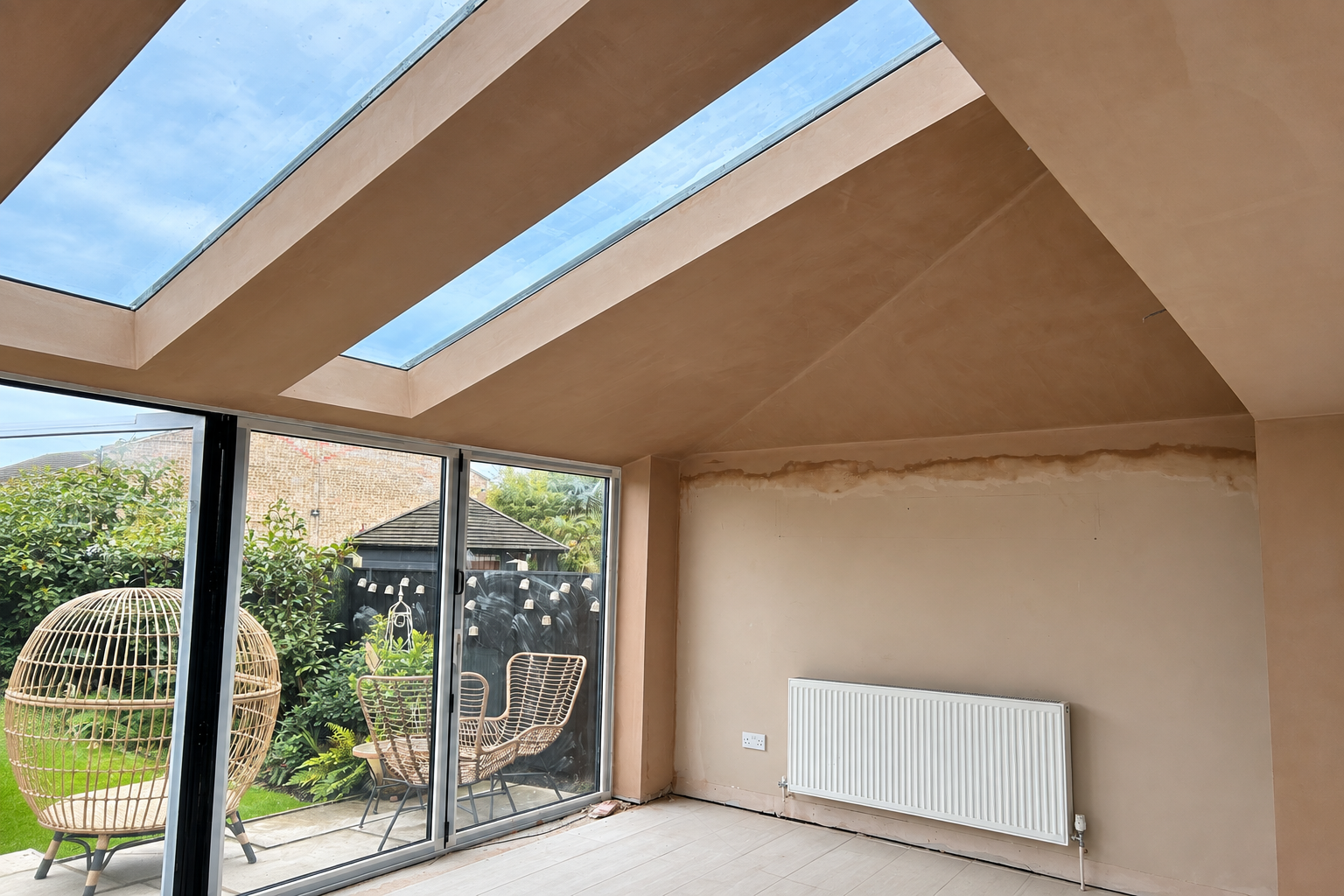
P3 Plastering is a local, family-run plastering business serving Sheffield and the surrounding South Yorkshire area.
Neil has worked in the plastering trade for over 40 years, with experience covering everything from straightforward re-skimming and plaster repairs to ceilings, plasterboarding and more specialist plasterwork.
Our approach is straightforward: assess what the job requires, provide a clear quotation and carry out the agreed work with an emphasis on skilled workmanship, reliability and leaving the property clean and tidy.
You can explore our plastering services, view examples in our portfolio or read feedback from previous customers on our Reviews page.
Hiring a Plasterer in Sheffield FAQs
How do I choose a good plasterer in Sheffield?
Look at relevant experience, genuine examples of previous work, independent customer reviews and appropriate insurance. Ask for a clear quotation and make sure you understand what preparation, materials and other work are included before accepting it.
Should I get more than one plastering quote?
You may choose to obtain more than one quotation, particularly for a larger project. If you do, compare the scope of work rather than simply choosing the lowest total. Make sure the quotations include comparable preparation, materials and work.
Should a plasterer have insurance?
It’s reasonable to check that a plastering business has appropriate insurance for working in customers’ properties. Ask the contractor what cover they hold if this isn’t made clear.
What should be included in a plastering quotation?
The quotation should describe the work being priced clearly enough for you to understand what is included. Depending on the job, that could cover preparation, plastering, repairs, plasterboarding, materials, VAT and arrangements for waste or cleaning.
How can I tell whether a plasterer’s work is good?
Look at genuine examples of completed work and read reviews from previous customers. For work that is still in progress, good preparation and an organised working area can also give useful context, although the final plaster finish should be judged once the work is complete.
Can a plasterer quote from photographs?
Some straightforward work may be possible to price from clear photographs and a good description, but other jobs need to be inspected in person so that the condition of the existing surfaces and the preparation required can be assessed properly.
Looking for a Plasterer in Sheffield?
If you’re planning plastering work in Sheffield or the surrounding area, you can contact P3 Plastering to discuss the job and arrange a quotation.
Providing photographs and a clear description of what you need can be useful as a starting point. If the work needs to be inspected before it can be accurately quoted, we’ll arrange a suitable visit.
ABOUT THE AUTHOR
Neil – P3 Plastering
Neil has worked in the plastering trade for over 40 years and leads P3 Plastering, providing plastering, rendering and specialist plasterwork across Sheffield and South Yorkshire. The advice shared in the P3 Advice Centre draws on decades of practical experience working on homes and properties throughout the area.

RELATED ADVICE
You May Also Find These Guides Helpful

Ready to Discuss Your Project?
Whether you’re planning a single room, a full property renovation or a larger plastering project, talk to P3 Plastering about your requirements and arrange a free, no-obligation quotation.
Stay up to date with P3 Plastering
Get occasional updates, project inspiration and useful plastering advice. You can unsubscribe at any time.


Contact P3 Plastering
11 Meadowpark Croft, Dinnington, Sheffield, S25 2XP
neil@p3plastering.co.uk
07762 755947
© 2026 P3 Plastering Ltd. All rights reserved.