

PLASTERING ADVICE
How Much Does Plastering Cost in Sheffield? A 2026 Guide
Updated September 2026 • By Neil – P3 Plastering
If you’re planning to renovate your home and wondering how much plastering costs in Sheffield, you’re not alone. Whether you need a single ceiling skimmed or several rooms replastered, the price can vary considerably depending on the size of the job, the condition of the existing surfaces and the preparation required.
In this guide, we explain what affects plastering prices, the difference between common types of plastering work and what Sheffield homeowners should consider when budgeting for a project in 2026.
Why Plastering Costs Vary
There is no single price that applies to every plastering job because no two walls, ceilings or properties are exactly the same. A straightforward skim over sound plasterboard, for example, can involve considerably less preparation than repairing damaged or failing existing plaster.
Some of the main factors that affect the cost include:
- The size and condition of the surface
- The type of plastering required, such as skimming, solid plastering or repairs
- The amount of preparation needed
- Access and complexity, including high ceilings and stairwells
- Whether existing plaster needs to be removed
- Whether plasterboarding is required
- The number of rooms or areas being completed
- Materials and the finish required
Average Plastering Costs in Sheffield in 2026
It is tempting to look for a simple price per wall or square metre, but these figures can be misleading. The time involved in protecting the property, preparing the surface, setting up and cleaning down means that very small areas are not necessarily proportionately cheaper than larger jobs.
At P3 Plastering, every job is priced individually according to the work involved. We take into account the size and condition of the area, preparation required, materials, access and the complexity of the project before providing a clear written quotation.
A proper quotation is therefore the best way to establish the cost of your particular job rather than relying on generic online price-per-wall estimates.
Cost by Plastering Type
Different types of plastering involve different levels of preparation, materials and labour. Understanding what the job actually requires is an important part of understanding the price.
Skimming and Re-Skimming
Skimming creates a new smooth finishing coat over a suitable existing surface or plasterboard. It is commonly used to refresh tired walls and ceilings, cover minor surface imperfections or provide a smooth finish ready for decorating.
Where the existing surface is sound and suitable for skimming, this can be more economical than removing everything and rebuilding the plaster system. However, loose or badly damaged plaster needs to be dealt with first rather than simply covered over.
Solid Plastering
Solid plastering involves building up the wall surface with appropriate base coats before applying the finishing plaster. It may be needed where existing plaster has failed, where walls are uneven or where a traditional solid plaster system is more appropriate than plasterboard.
Because there is more preparation, material and labour involved, solid plastering will generally cost more than simply skimming a suitable existing surface.
Plaster Repairs
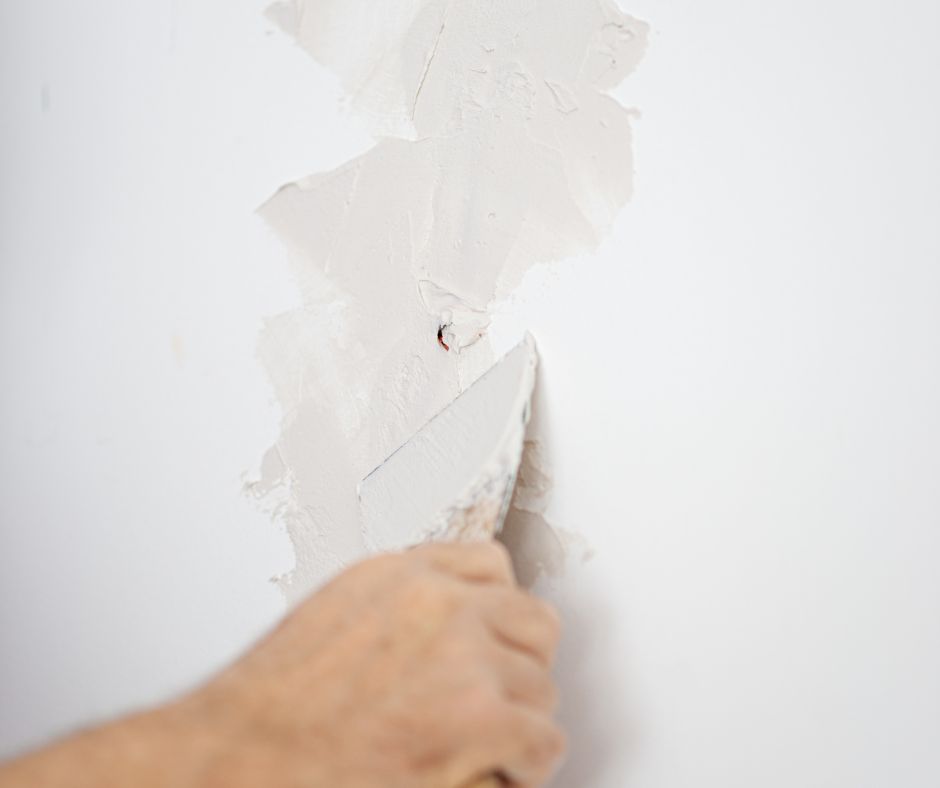
Cracks, holes, damaged areas and plaster disturbed by electrical or plumbing work can sometimes be dealt with using plaster repairs without replastering an entire room.
Whether a local repair is the best option depends on the extent of the damage and the condition of the surrounding plaster. Small repairs also need to take account of the time required to travel to the property, protect the work area, prepare the surface and clean up afterwards.
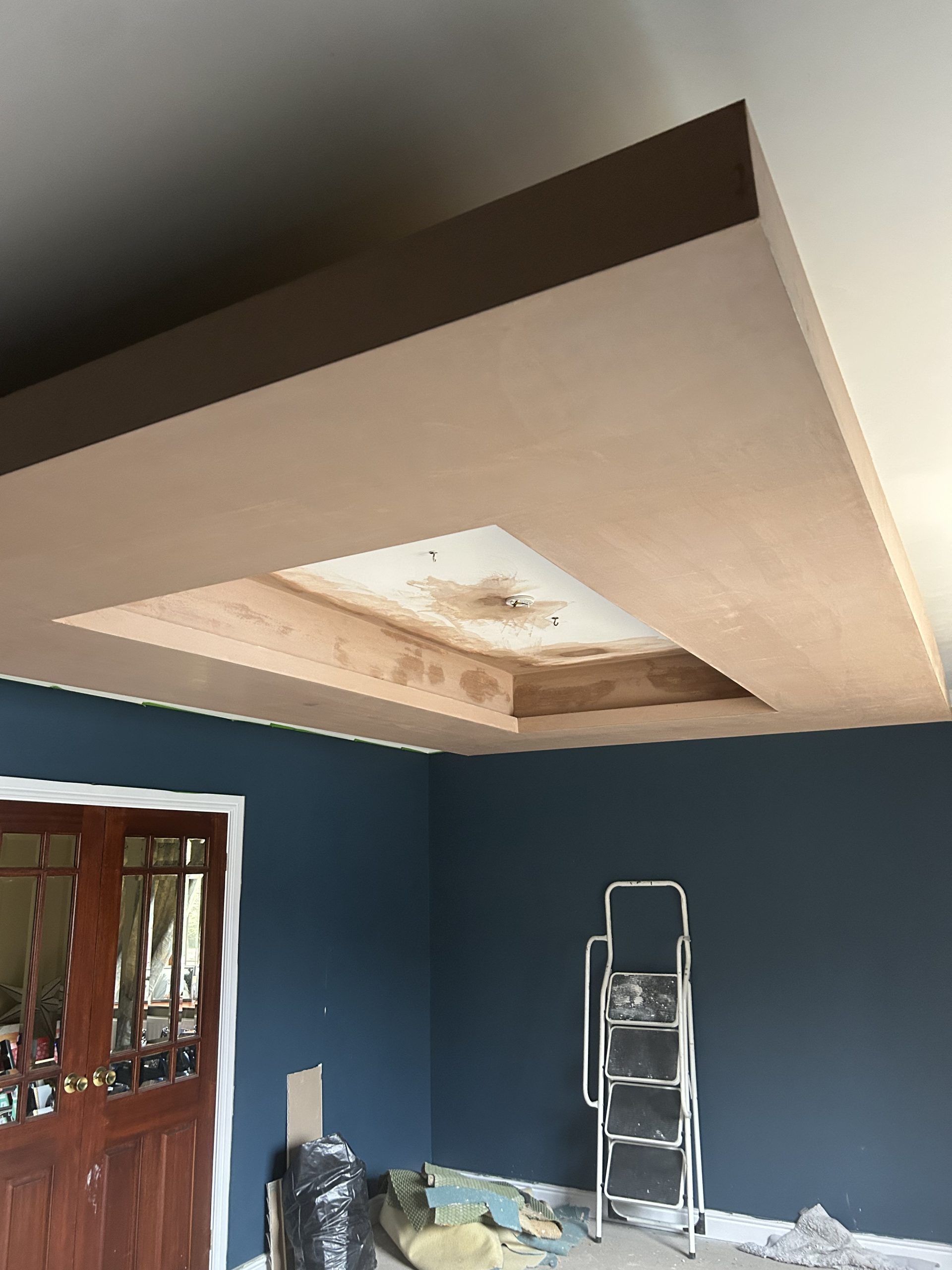
Ceiling Plastering
Ceiling plastering can be more demanding than walls because of the overhead working position and access required. The existing ceiling also needs to be assessed before deciding on the best approach.
A sound ceiling may simply be suitable for skimming. A damaged, unstable or badly cracked ceiling may require repairs or plasterboarding before it can be finished.
What Affects the Price of Plastering?
Several practical factors can make a significant difference to the final quotation.
- Surface condition: Loose plaster, damaged backgrounds, wallpaper residue and other defects can increase preparation time.
- Size of the job: Larger areas naturally require more labour and materials, although completing several areas together can sometimes be more efficient than separate visits.
- Height and access: Stairwells, high ceilings and awkward areas can require additional access equipment and working time.
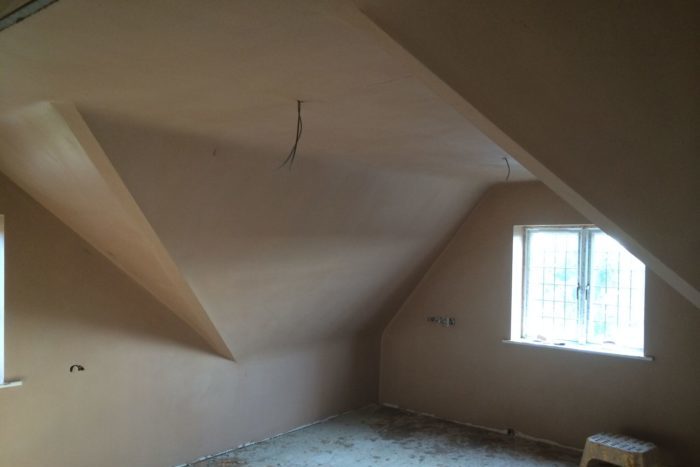
- Plasterboarding: Where existing surfaces are unsuitable, new plasterboard may be required before skimming.
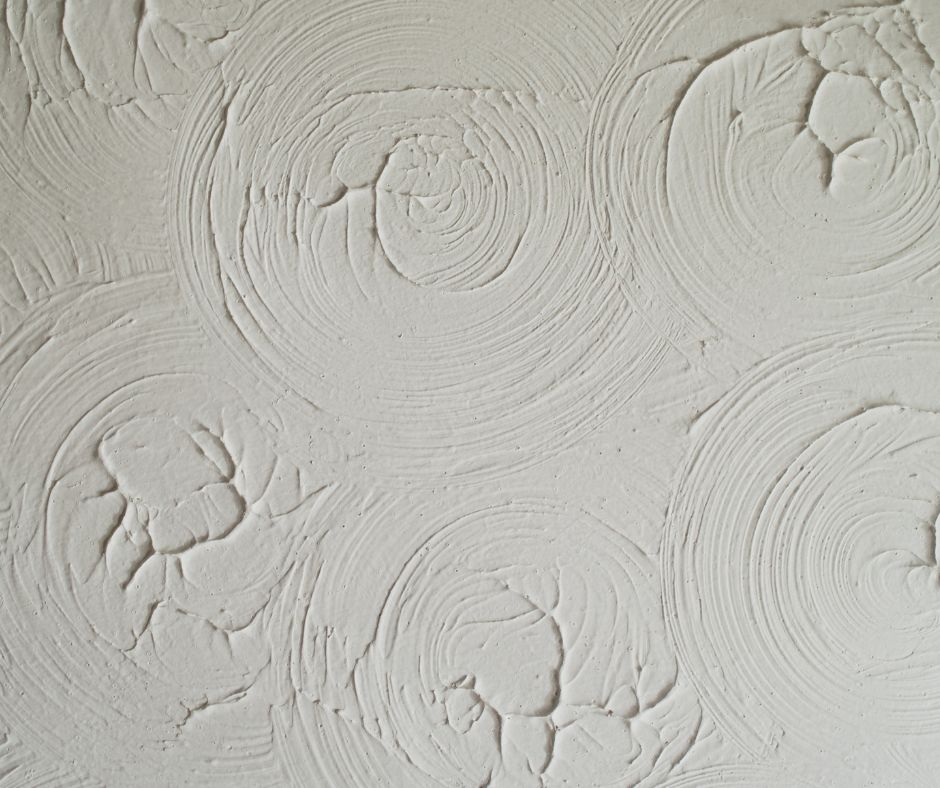
- Existing finishes: Artex, failing plaster and other existing finishes need to be assessed before deciding how the new surface should be prepared.
- Detail and complexity: Corners, reveals, curves and other architectural details can add time to a project.
Plastering Sheffield Properties: Local Considerations
Sheffield has a varied housing stock, ranging from older terraces and period properties to post-war houses, modern developments and new-build homes. The age and construction of a property can influence the type of plastering work required.
Older Homes
Older properties may contain traditional lath-and-plaster ceilings, solid walls or layers of previous repairs and decoration. Cracking or movement does not automatically mean everything needs removing, but the existing surface should be properly assessed before new plaster is applied.
Modern Homes
Modern properties commonly use plasterboard systems. These can provide an excellent background for skimming, although damaged boards, poor joints or previous alterations may need attention before the final finish is applied.
Damp and Moisture
Visible damp should not simply be covered with new plaster. If there are damp patches, persistent moisture or staining, the underlying cause should be identified first. Once the source has been dealt with, the appropriate repair and plastering system can be determined.
P3 TIP
If you’re unsure what type of plastering work is needed, photographs can often help us understand a straightforward enquiry before deciding whether a site visit is required. Clear photos of the whole area as well as any cracks, damage or problem surfaces are particularly useful.
DIY vs Professional Plastering
Plastering is possible as a DIY project, particularly for someone who is prepared to practise and learn the technique. The difficulty is achieving a consistently flat, smooth finish across a large area before the plaster begins to set.
Common problems with inexperienced plastering include:
- Uneven or wavy surfaces
- Visible trowel marks
- Poor edges and corners
- Cracking or failure caused by inadequate preparation
- Having to sand extensively or redo the work
For small non-critical repairs, DIY may be worth considering. For complete walls, ceilings and rooms where the finished surface will be highly visible, using an experienced plasterer can avoid the cost and disruption of correcting an unsuccessful attempt.
How to Save Money Without Cutting Corners
There are sensible ways to keep the overall cost of plastering under control without compromising the finished result.
- Combine work where practical. Having several rooms or areas completed during the same project can reduce repeated setup and travel time.
- Clear the working area. Removing furniture and personal belongings before work begins makes access easier and helps the job run efficiently.
- Repair rather than replace where appropriate. Sound existing plaster does not necessarily need to be removed.
- Get the correct solution first. Covering a failing surface because it appears cheaper can cost more if the work subsequently has to be redone.
- Compare quotations properly. Check what preparation, materials and finishing work are included rather than comparing the headline price alone. It is also worth checking genuine customer reviews when choosing a plasterer.
How P3 Plastering Prices Projects in Sheffield
At P3 Plastering, each project is priced according to the work actually required rather than using a one-price-fits-all figure.
We consider factors including:
- The size of the area
- The condition of the existing surfaces
- The preparation required
- The type of plastering or boarding needed
- Access and working height
- The materials required
- The overall complexity of the job
You will receive a written quotation setting out the proposed work and price before the job is booked, so you know what has been allowed for.
Plastering Cost FAQs for Sheffield Homeowners
How much does plastering cost in Sheffield?
The cost depends on the size and condition of the area, the preparation required and the type of plastering involved. Even two rooms of a similar size can require very different amounts of work, so a quotation based on the actual job is more reliable than a generic price per wall or daily rate.
Is skimming cheaper than full plastering?
Usually, yes. If the existing background is sound and suitable, skimming requires less preparation and material than rebuilding the plaster system. Where plaster is loose, badly damaged or unsuitable, additional repair, boarding or base-coat work may be necessary.
How long does plaster take to dry before painting?
There is no fixed drying time because temperature, ventilation, humidity and plaster thickness all affect it. New plaster should be allowed to dry completely before it is decorated. It normally changes from a darker pink or brown colour to a much lighter, even colour as it dries. For more advice on preparing new plaster for decorating, read our guide to priming new plaster before painting.
Do I need to empty the room before plastering?
Where possible, yes. Removing furniture, ornaments and other belongings gives the plasterer better access and reduces the risk of accidental damage. If large items cannot be removed, discuss this before work starts so suitable arrangements can be made.
Do you provide free plastering quotes in Sheffield?
Yes. P3 Plastering provides free, no-obligation quotations for suitable plastering projects in Sheffield and the surrounding service area.
Free Quotes and Transparent Pricing
If you’re planning plastering work, a quotation based on the actual condition and requirements of your property is the most useful way to establish a realistic budget.
P3 Plastering can assess the work required and provide a clear written quotation before you decide whether to proceed. For some straightforward enquiries, photographs can also help us establish whether a visit is required before a quotation can be prepared.
Final Thoughts
Understanding what influences plastering costs in Sheffield makes it much easier to compare quotations and budget for your project. The cheapest-looking price is not always the cheapest solution if important preparation or repair work has been omitted.
The condition of the existing surface, the amount of preparation, access and the type of finish required all matter. A quotation based on the actual property will therefore give you a much more meaningful figure than a generic online price guide.
If you’re considering plastering work in Sheffield, P3 Plastering can advise on the appropriate approach and provide a free, no-obligation quotation for the work required.
ABOUT THE AUTHOR
Neil – P3 Plastering
Neil has worked in the plastering trade for over 40 years and leads P3 Plastering, providing plastering, rendering and specialist plasterwork across Sheffield and South Yorkshire. The advice shared in the P3 Advice Centre draws on decades of practical experience working on homes and properties throughout the area.

RELATED ADVICE
You May Also Find These Guides Helpful
Ready to Discuss Your Project?
Whether you’re planning a single room, a full property renovation or a larger plastering project, talk to P3 Plastering about your requirements and arrange a free, no-obligation quotation.
Stay up to date with P3 Plastering
Get occasional updates, project inspiration and useful plastering advice. You can unsubscribe at any time.


Contact P3 Plastering
11 Meadowpark Croft, Dinnington, Sheffield, S25 2XP
neil@p3plastering.co.uk
07762 755947
© 2026 P3 Plastering Ltd. All rights reserved.