

PLASTERING ADVICE
What Is Plaster Skim and Why Is It So Popular?
Updated September 2026 • By Neil – P3 Plastering
If your walls are sound but the surface is tired, uneven or covered with minor imperfections, plaster skimming can provide a fresh, smooth finish without completely replacing the existing plaster.
Skimming is one of the most common plastering techniques used when renovating or redecorating homes. It can transform existing walls and ceilings, provide the finished surface over new plasterboard and create a consistent background ready for decorating once the plaster has dried.
In this guide, we explain what plaster skimming is, how it differs from other types of plastering, when it may be suitable and what is involved in achieving a good finish.
What Is Plaster Skimming?
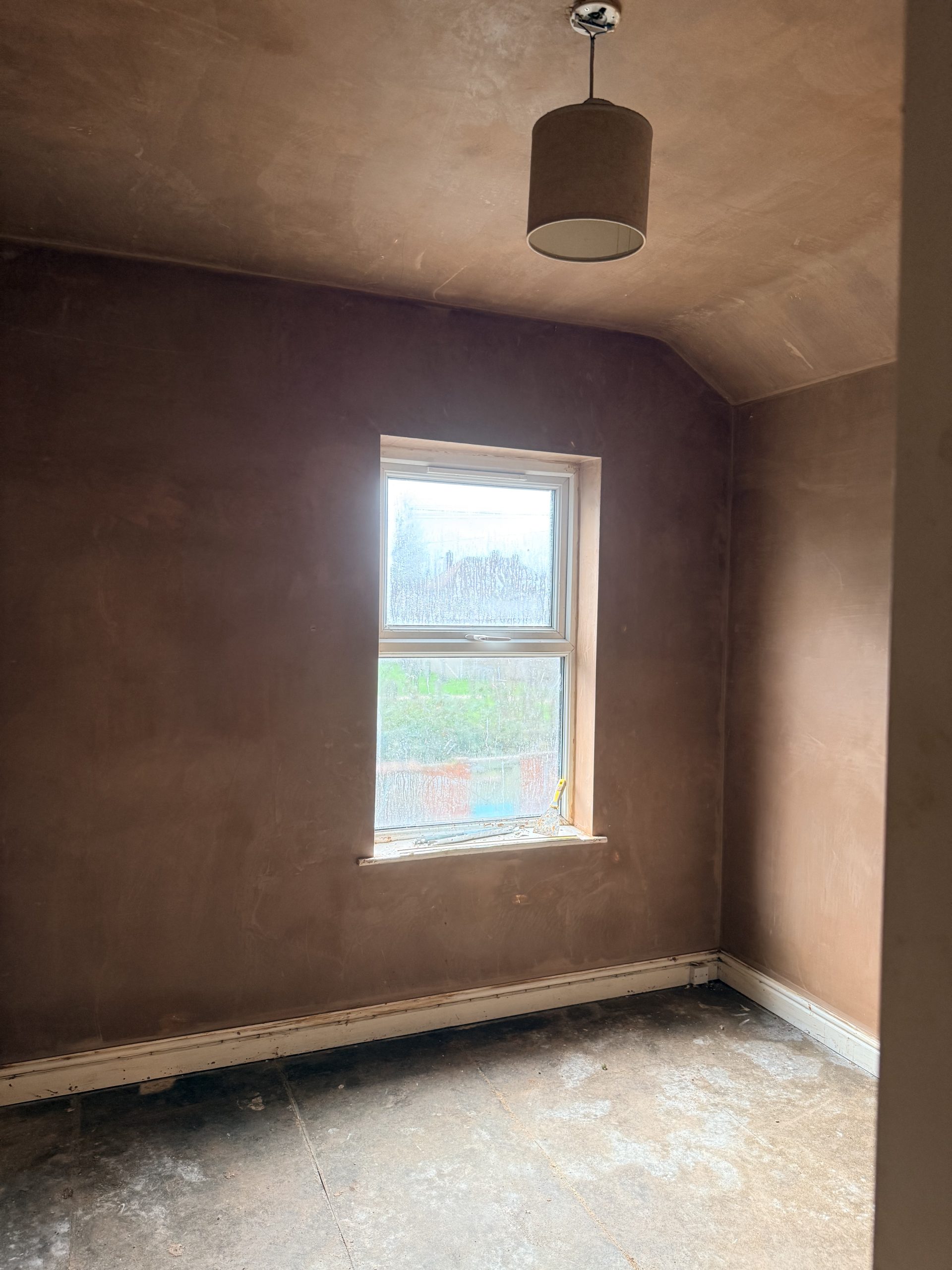
Plaster skimming involves applying a relatively thin finishing coat of plaster over a suitably prepared wall or ceiling.
Rather than building a plaster surface up from the underlying masonry, as may be required with some forms of solid plastering, skimming is primarily about creating the finished surface.
It can be applied over suitable existing plaster or used to finish newly installed plasterboard. Once properly applied, dried and prepared, the resulting surface can be decorated.
What Plaster Is Used for Skimming?
Skimming is normally carried out using a finishing plaster designed to create a smooth final surface. The appropriate product and preparation depend on the background being plastered and its condition.
The plaster is mixed to the required consistency, applied across the prepared surface and progressively worked and trowelled as it begins to set.
Although the finished layer is relatively thin, achieving a consistently smooth surface across a complete wall or ceiling requires skill, particularly around corners, edges, sockets, openings and adjoining surfaces.
Why Is Plaster Skimming So Popular?
Skimming is popular because it can dramatically improve the appearance of existing walls without unnecessarily removing sound plaster underneath.
Common reasons for having walls or ceilings skimmed include:
- Creating a smooth new finish over tired existing plaster.
- Improving surfaces with minor imperfections or previous repairs.
- Finishing newly installed plasterboard.
- Preparing walls as part of a larger renovation or redecoration project.
- Creating a more consistent surface across walls that have accumulated marks and repairs over time.
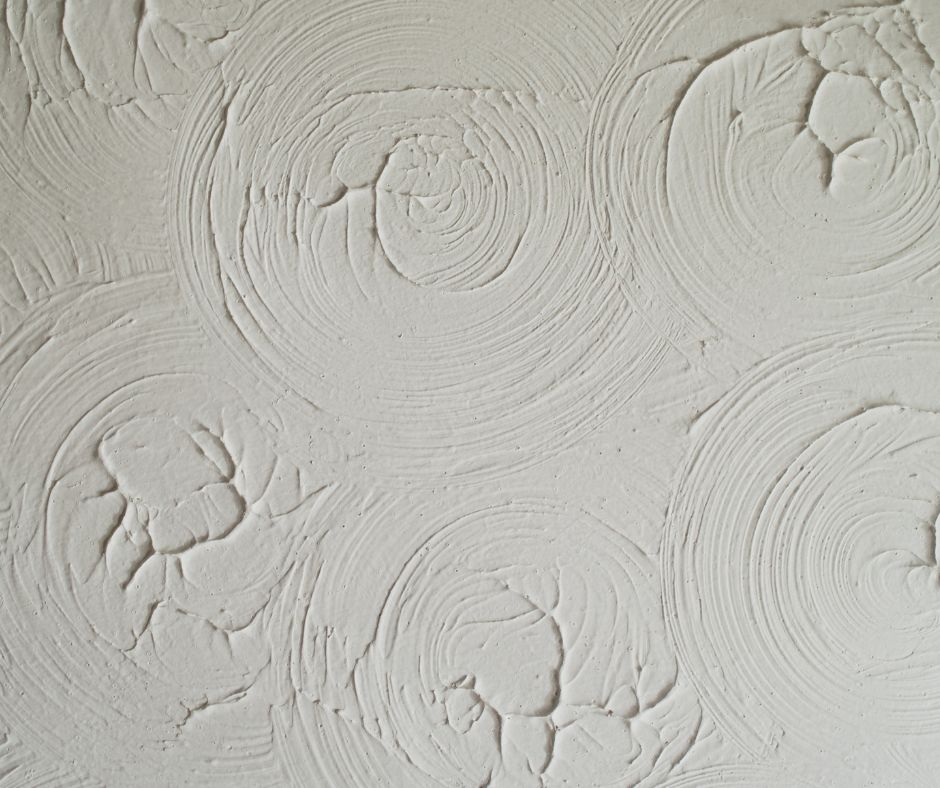
- Covering suitable textured surfaces where the existing background can safely and appropriately be skimmed.
Where the existing background is sound, re-skimming can therefore be a practical way to refresh a room while retaining the plaster that is already performing properly.
What Is the Difference Between Skimming and Plastering?
The terms are sometimes used interchangeably, but skimming is actually one part of the wider plastering trade.
Skimming generally refers to applying the finishing plaster that creates the visible surface of a wall or ceiling. Other plastering work may involve building out damaged or uneven backgrounds, repairing existing plaster, installing plasterboard or applying base coats before the final finish.
For example, a wall taken back to masonry may require considerably more work than an existing sound wall that simply needs re-skimming. Similarly, a damaged wall may need a proper plaster repair before the final skim is applied.
Our skimming and re-skimming service explains more about how P3 approaches this type of work.
How Is a Wall Skimmed?
The precise method depends on the existing surface, but the work generally involves several stages.
1. Assess the Existing Surface
Before skimming begins, the existing wall needs to be checked. Loose plaster, significant cracks, contamination, damp or other defects may need attention before a new finish is applied.
2. Protect the Room
Floors and surrounding surfaces are protected and the working area is cleared sufficiently to allow safe access to the walls.
3. Prepare the Background
The preparation required depends on the surface being skimmed. Repairs may be needed and an appropriate bonding or priming treatment may be used where required to control suction or help the new plaster bond to the background.
There is no single preparation product that is correct for every wall, which is why the existing surface needs to be considered before the plaster is applied.
4. Apply the Finishing Plaster
The plaster is applied across the prepared wall and worked to create an even surface. The plasterer needs to maintain appropriate thickness and coverage while working within the setting time of the material.
5. Flatten and Trowel the Surface
As the plaster begins to firm, it is progressively flattened and trowelled. This stage develops the smooth finished surface and removes imperfections left during the initial application.
6. Allow the Plaster to Dry
Once finished, the plaster needs to dry completely before decorating. Drying time varies according to the background, plaster thickness, temperature, humidity and ventilation, so it is better to allow the plaster to dry naturally rather than work to a fixed number of days.
P3 TIP
If you’re planning other work in the room, think about the order of the project before the plasterer arrives. Having electrical alterations, major wall repairs or other work that will disturb the surface completed first can avoid damaging freshly skimmed walls afterwards.
Can You Skim Over Existing Plaster?
Yes, existing plaster can often be re-skimmed if it is sufficiently sound and provides a suitable background.
This is common in older rooms where the walls have accumulated minor cracks, marks, previous repairs or an uneven finish but the underlying plaster remains secure.
Skimming should not, however, be used simply to cover failing plaster. If significant areas are loose, hollow, damp or badly damaged, the underlying problem may need to be dealt with before a new finishing coat is applied.
Can You Skim Over Plasterboard?
Yes. Applying finishing plaster over plasterboard is a common way of creating the completed surface on newly boarded walls and ceilings.
The boards need to be installed correctly and the joints and fixings prepared appropriately before the finishing plaster is applied.
Plasterboarding and skimming are therefore often parts of the same project rather than alternatives to one another.
Can You Skim a Ceiling?
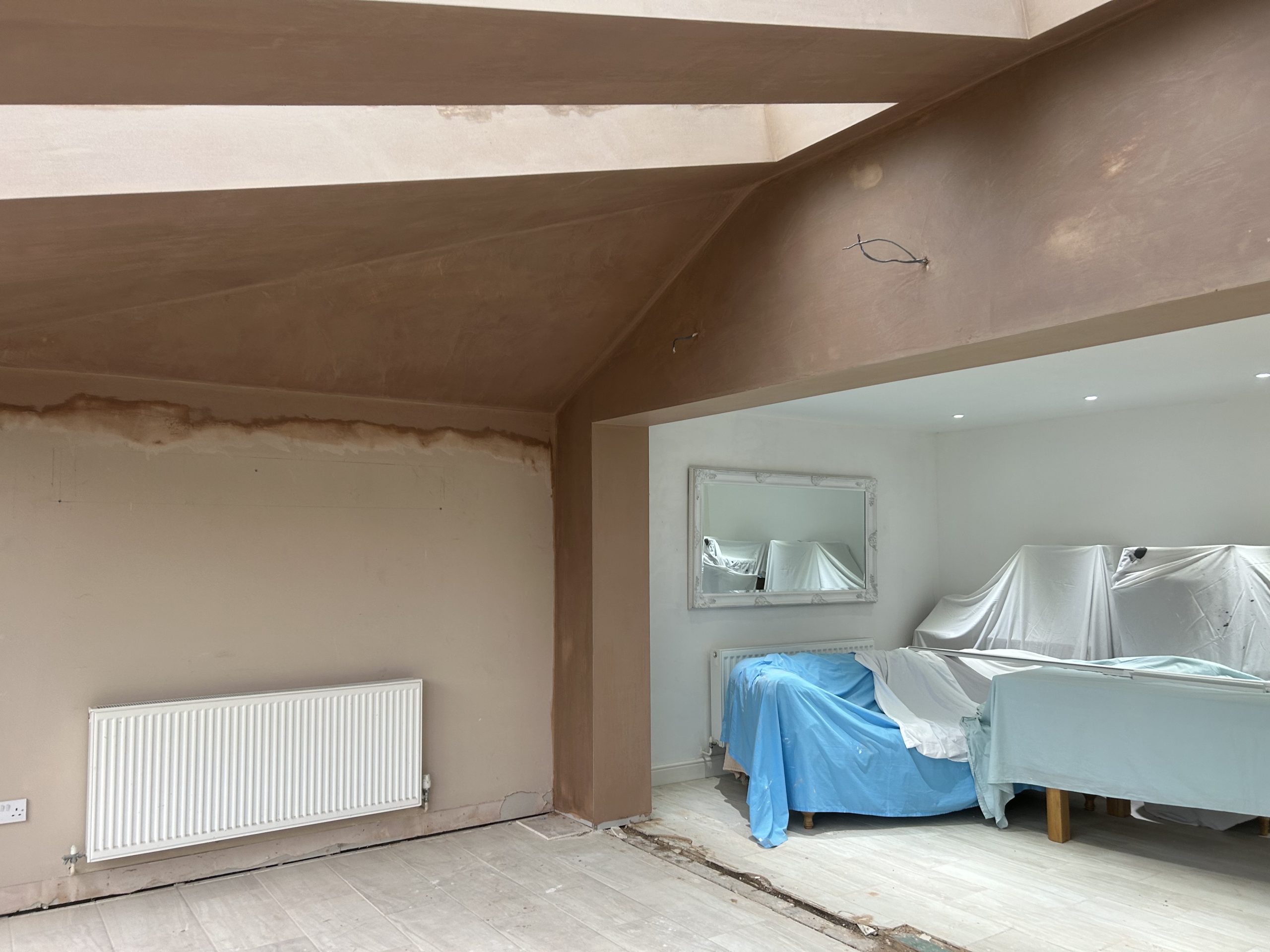
Yes. Suitable existing ceilings can often be re-skimmed, while newly plasterboarded ceilings can also receive a skim finish.
The condition of the existing ceiling is important. Loose plaster, water damage, significant cracking or unsuitable textured coatings may require additional work before skimming can take place.
We’ve covered the process in much more detail in our guide to ceiling skimming.
When Is Skimming Not the Right Solution?
Skimming is designed to create a new surface finish; it is not a substitute for correcting significant problems with the wall underneath.
A different approach may be required where:
- Large areas of existing plaster are loose or failing.
- The wall is affected by unresolved damp or moisture.
- Significant cracks require investigation or repair.
- The background is badly damaged or excessively uneven.
- New plasterboard or base-coat plastering would provide a more appropriate background.
Assessing the existing wall first makes it possible to choose the appropriate repair or plastering method rather than simply covering the visible problem.
How Long Does Plaster Skimming Take?
The amount of time required depends on the size and condition of the area, the amount of preparation and repair work required, access and the complexity of the room.
A straightforward room with sound walls will naturally be different from a project involving damaged surfaces, difficult access or substantial preparation.
The plaster also needs sufficient time to dry after the work itself has been completed, particularly before decorating begins.
How Much Does Plaster Skimming Cost?
The cost of skimming depends on the actual work involved rather than a fixed price per wall or room.
Factors that can affect the quotation include:
- The size and number of walls or ceilings.
- The condition of the existing surfaces.
- The amount of preparation required.
- Repairs required before skimming.
- Room height, access and complexity.
- Whether plasterboard or other additional work is required.
For this reason, a quotation based on the actual project is more useful than generic online price-per-wall figures. Our guide to plastering costs in Sheffield explains the main factors in more detail.
What Happens After Walls Have Been Skimmed?
Fresh plaster should be allowed to dry completely before decorating. It will normally become noticeably lighter in colour as the moisture leaves the surface.
Once dry, the plaster needs to be prepared appropriately before the final paint finish is applied. Avoid applying ordinary undiluted emulsion directly to highly absorbent new plaster without the appropriate preparation.
For a fuller explanation, read our guide to priming new plaster before painting.
Plaster Skimming FAQs
Is skimming the same as plastering?
Skimming is a type of plastering. It refers specifically to applying the finishing plaster that creates the final smooth surface. Other plastering work can involve repairs, base coats, solid plastering or plasterboarding before the finish is applied.
How thick is a plaster skim?
A skim finish is relatively thin compared with base-coat plastering. The precise thickness depends on the product, background and work required, and the plaster should be applied in accordance with the manufacturer’s specification rather than to an arbitrary thickness.
Can you skim over painted walls?
Painted surfaces can sometimes be skimmed, but their condition and suitability need to be assessed first. Loose, flaking or unsuitable coatings need attention, and the background must be prepared appropriately before plaster is applied.
Will skimming hide cracks?
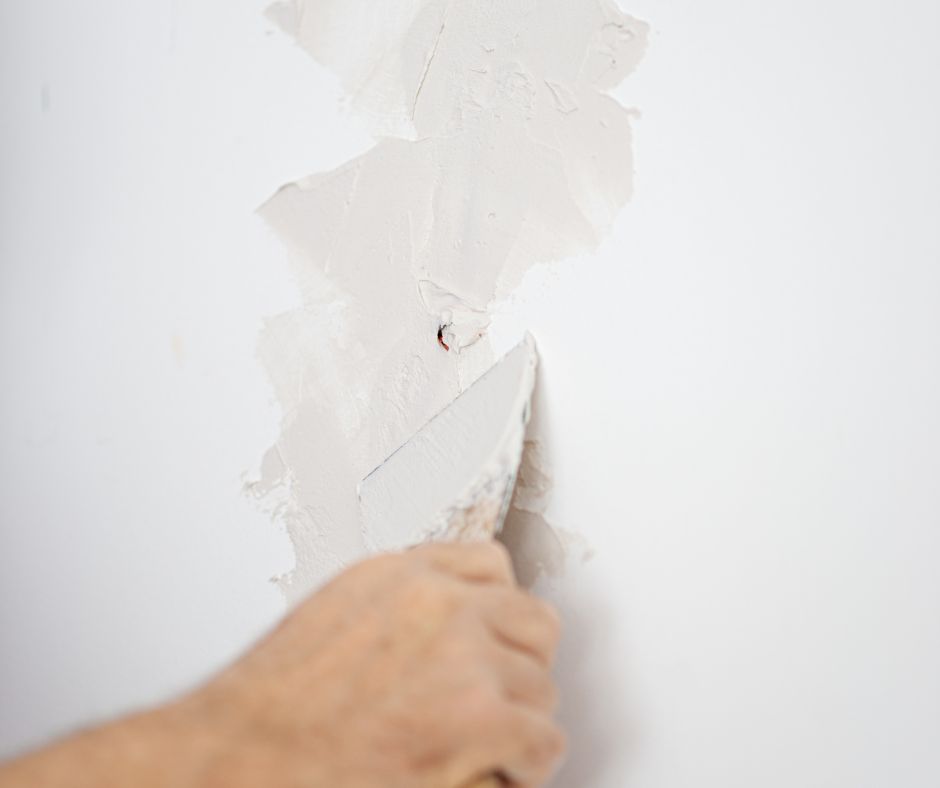
Minor defects can often be dealt with during preparation, but simply applying new plaster over an active or significant crack does not necessarily prevent it from returning. The condition and cause of the cracking should be considered first.
How long should skimmed plaster dry before painting?
There is no fixed drying period that applies to every project. Drying depends on the background, plaster thickness and conditions in the property. The plaster should be allowed to dry completely before it is prepared for painting.
Is it better to skim or replace plaster?
That depends on the condition of the existing wall. Sound plaster with a poor surface may only need re-skimming, while loose, badly damaged or unsuitable plaster may require repair or replacement before a new finish is applied.
Professional Plaster Skimming in Sheffield
The quality of a skim finish depends on more than the final trowelling. Assessing the existing wall, preparing it correctly and dealing with defects beforehand are all important parts of the job.
P3 Plastering provides professional skimming and re-skimming for homes and properties across Sheffield and the surrounding area, including walls, ceilings and newly plasterboarded surfaces.
If you’re considering having a room or larger area re-skimmed, contact P3 Plastering to discuss the project and arrange a quotation.
Final Thoughts
Plaster skimming is popular because it can give sound but tired walls and ceilings a fresh, smooth finish without unnecessarily removing the existing plaster underneath.
It is particularly useful when renovating rooms, finishing new plasterboard or improving walls that have accumulated minor defects and repairs over time.
The most important step is deciding whether the existing background is suitable. Where it is sound, careful preparation and skilled skimming can provide an excellent surface for decorating. Where it is not, repairing or rebuilding the background first is likely to produce the better result.
ABOUT THE AUTHOR
Neil – P3 Plastering
Neil has worked in the plastering trade for over 40 years and leads P3 Plastering, providing plastering, rendering and specialist plasterwork across Sheffield and South Yorkshire. The advice shared in the P3 Advice Centre draws on decades of practical experience working on homes and properties throughout the area.

RELATED ADVICE
You May Also Find These Guides Helpful

Ready to Discuss Your Project?
Whether you’re planning a single room, a full property renovation or a larger plastering project, talk to P3 Plastering about your requirements and arrange a free, no-obligation quotation.
Stay up to date with P3 Plastering
Get occasional updates, project inspiration and useful plastering advice. You can unsubscribe at any time.


Contact P3 Plastering
11 Meadowpark Croft, Dinnington, Sheffield, S25 2XP
neil@p3plastering.co.uk
07762 755947
© 2026 P3 Plastering Ltd. All rights reserved.