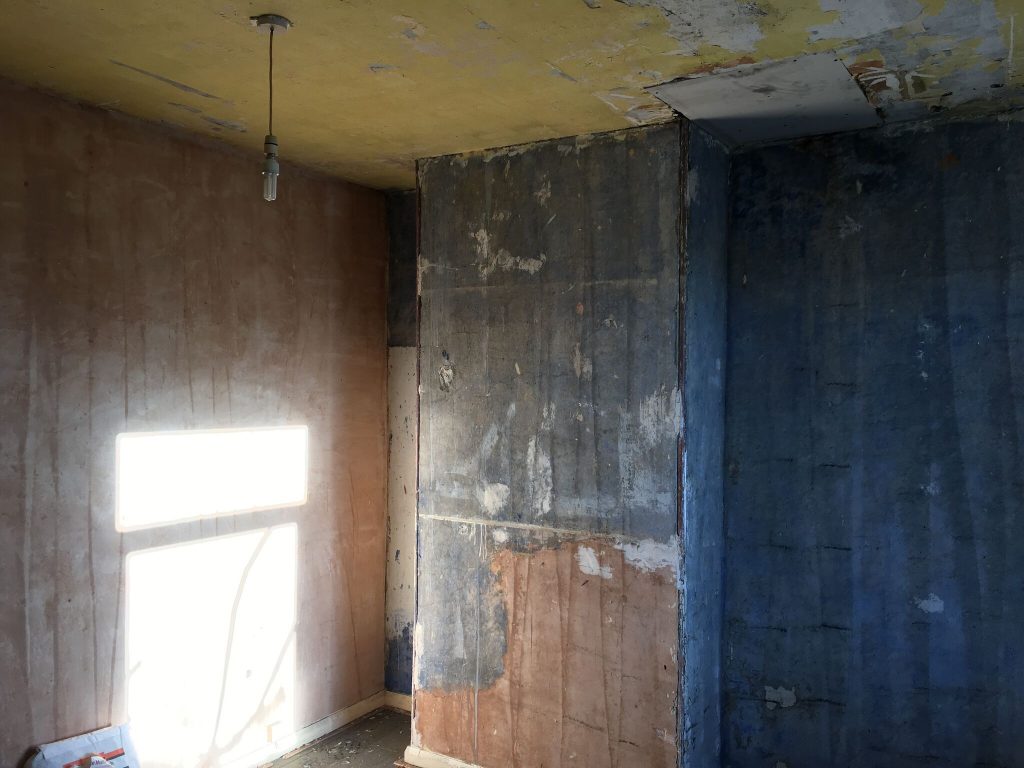

Plaster does not need replacing simply because it is old. Many plastered walls remain sound for decades, while others can deteriorate because of moisture, movement, damage or loss of adhesion to the background.
The important question is not the age of the plaster but its condition. Minor surface imperfections may only need a local repair or re-skimming, while loose, badly damaged or failing plaster may need to be removed and replaced.
In this guide, we look at some of the signs that a wall may need more substantial plastering work and how to tell the difference between a surface problem and plaster that is beginning to fail.
Does Old Plaster Always Need Replacing?
No. There is no fixed age at which plaster automatically needs to be replaced.
If existing plaster remains firmly bonded, dry and generally sound, it may be possible to retain it even if the surface has become marked or uneven. Depending on its condition, local repairs or re-skimming may be enough to create a fresh finish.
More substantial replastering becomes appropriate when the existing plaster itself has deteriorated to the point where simply improving the surface would not deal with the underlying problem.
1. Large Areas of Loose or Hollow Plaster
Plaster needs a secure bond with the surface behind it. If that bond begins to fail, areas can become loose and may sound hollow when gently tapped.
A hollow sound does not automatically mean an entire wall needs replacing, but widespread hollow or loose areas can indicate that the existing plaster is no longer securely attached to its background.
Small isolated areas may be suitable for a local plaster repair. Where failure is extensive, removing unsound material and rebuilding the plaster surface may provide a more appropriate solution.
2. Widespread or Recurring Cracks
Fine cracks do not necessarily mean a wall needs replastering. Small, stable cosmetic cracks in otherwise sound plaster can often be repaired locally.
However, widespread cracking or cracks that repeatedly return after repair can indicate that more than the visible surface needs attention.
The cause should be considered before replastering takes place. Where cracking is changing noticeably or there are other signs of building movement, appropriate investigation may be needed before cosmetic plaster repairs are carried out.
Our guide to common causes of cracks in walls explains this in more detail.
3. Crumbling or Deteriorating Plaster
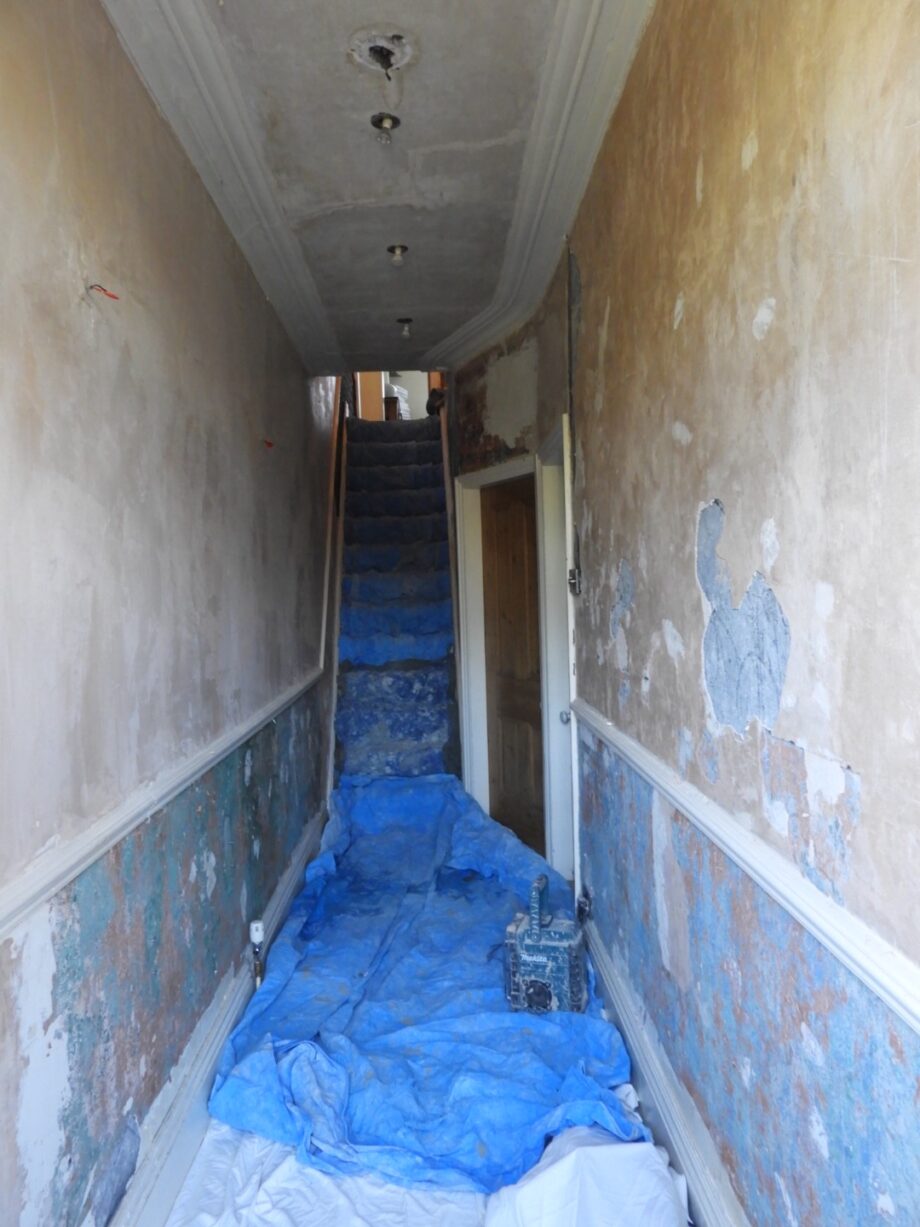
Plaster that crumbles, powders or breaks away easily is different from a wall that simply has a few surface marks.
Deterioration can occur for a number of reasons, including previous moisture problems, age, damage or problems with the existing plaster system.
The extent of the affected area matters. Local deterioration may be repairable, whereas widespread failure can mean that unsound plaster needs to be removed back to a suitable background before the wall is rebuilt and finished.
4. Bubbling, Flaking or Blown Areas
Bubbling, flaking finishes or areas where plaster has separated from the background deserve closer attention, particularly if the problem extends beyond the paint layer.
It is important to distinguish between failing decoration and failing plaster. Peeling paint alone does not necessarily mean that the wall needs replastering.
If the plaster underneath is loose, damaged or no longer securely bonded, the affected material may need to be removed and repaired rather than simply covered with a new finishing coat.
5. Damp, Water Staining or Previous Leaks
Water can cause significant damage to plaster, but replastering should not be the first step while an active moisture problem remains unresolved.
Possible signs of moisture-related damage include:
- Water staining or discolouration.
- Soft or crumbling plaster.
- Peeling, bubbling or flaking finishes.
- Mould or persistent dampness.
- Damage that returns after previous repairs.
The source of the moisture should be identified and dealt with first. The affected area also needs to be sufficiently dry and suitable before damaged plaster is replaced.
Once the underlying issue has been resolved, the condition of the remaining plaster can be assessed to determine how much needs repairing or replacing.
P3 TIP
Don’t rush to replaster a wall simply because the surface looks poor. Establishing whether the existing plaster is sound first can make the difference between a straightforward re-skim and unnecessarily removing plaster that could have been retained.
6. A Very Uneven or Heavily Repaired Surface
Walls can accumulate years of alterations, filled holes, channels, previous repairs and changes to fixtures and fittings.
If the plaster remains fundamentally sound, this does not necessarily mean it needs removing. Preparing and skimming the existing plaster may provide a consistent new surface.
If the wall contains extensive failed areas as well as surface imperfections, more substantial repair may be required before the finishing plaster is applied.
7. Damage Following Electrical or Plumbing Work
Renovation work often leaves channels, holes and damaged areas where electrical cables, sockets or pipework have been installed or altered.
Small areas can often be repaired individually. Where alterations affect much of a wall, repairing the damaged areas and then re-skimming the complete surface can sometimes provide a more consistent finish.
Ideally, work that needs to cut into the walls should be completed before final plastering so that a newly finished surface does not have to be disturbed again.
8. The Existing Background Needs Rebuilding
Sometimes the problem goes beyond the finishing coat. If plaster has been removed back to masonry, the background is badly uneven or extensive areas have failed, the wall may need to be built back up before it can receive its final finish.
Depending on the property and the existing construction, this might involve solid plastering, repair work or installing plasterboard to create an appropriate background.
The right method depends on what is already there and the condition of the wall rather than applying the same solution to every property.
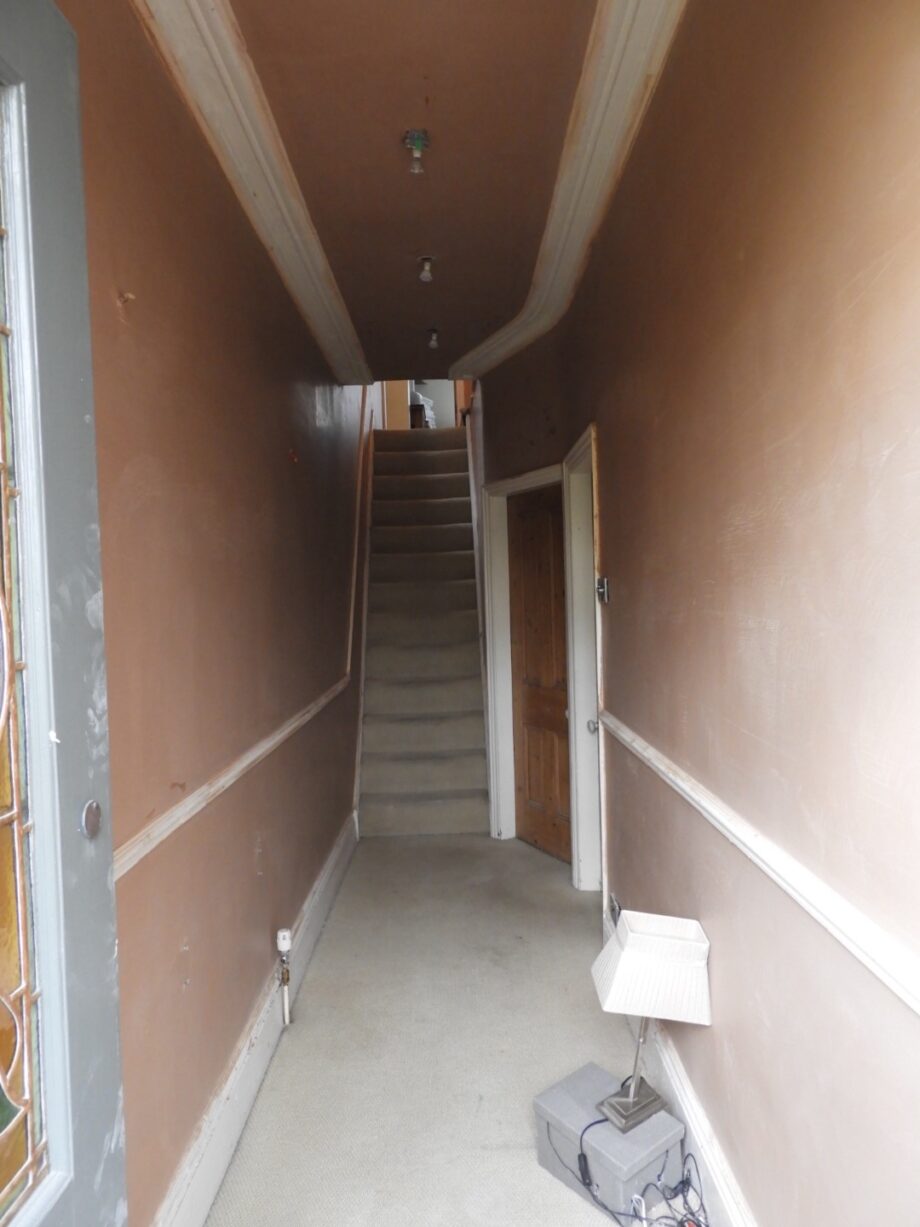
Repair, Re-Skim or Replaster: What’s the Difference?
These terms describe different levels of work, and choosing between them depends largely on the condition of the existing plaster.
Local Plaster Repair
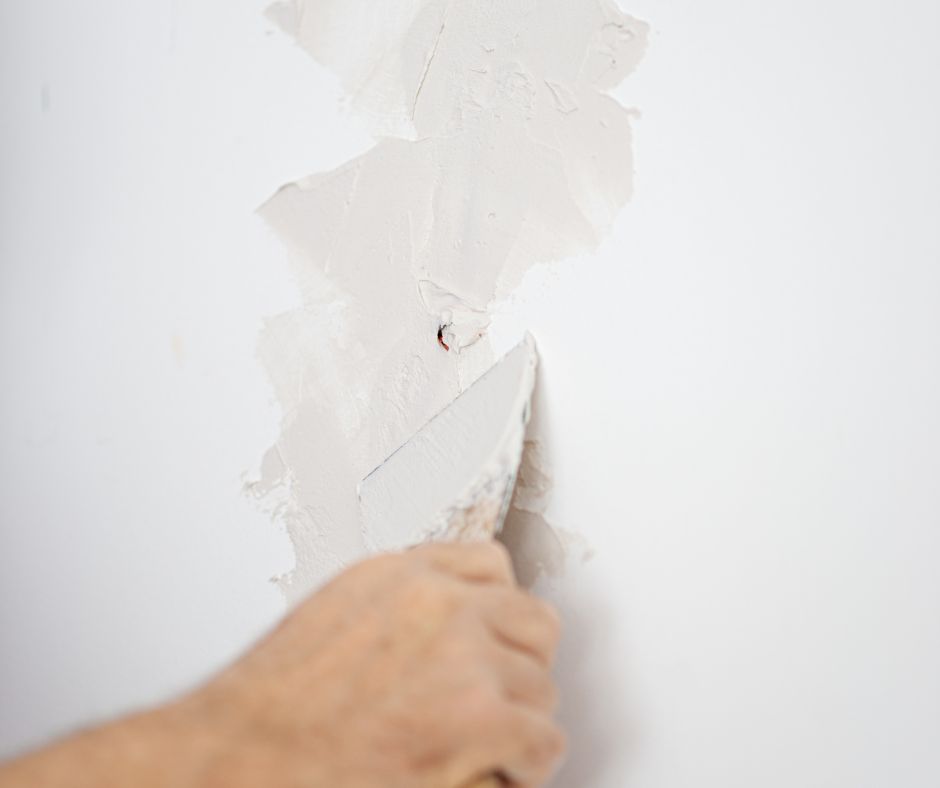
A repair deals with a particular damaged area while retaining the sound plaster around it. This may be suitable for isolated damage where the remainder of the wall is in good condition.
Re-Skimming
Re-skimming applies a new finishing coat over a suitably prepared existing surface. It can be appropriate where the plaster underneath remains sound but the visible finish is poor, uneven or extensively marked.
More Extensive Replastering
Where existing plaster is loose, badly deteriorated or unsuitable to receive a new finish, failed material may need to be removed and the wall repaired or rebuilt before finishing plaster is applied.
That is why inspecting the existing surface is important: two walls that look similarly rough at first glance can require very different amounts of work.
What Happens When a Wall Is Replastered?
The exact process depends on the condition and construction of the wall, but it generally begins with assessing the existing surface and removing material that cannot sensibly be retained.
The background is then repaired or prepared as required. Where necessary, this can involve rebuilding deeper areas, repairing around alterations or creating a suitable new background before finishing plaster is applied.
Once the final plaster has been applied and finished, it needs to dry naturally before decorating. Drying time varies with the plaster system, background, thickness, ventilation, temperature and humidity rather than following one fixed timetable.
How Much Does It Cost to Replaster a Wall?
The cost depends on what is required beneath the finished surface as well as the size of the wall.
A sound wall requiring a new skim is a very different job from one where loose plaster must be removed, damaged backgrounds repaired or new plasterboard installed.
Other factors include access, room height, the extent of preparation and whether ceilings or adjoining walls form part of the project.
For a broader explanation of the factors affecting quotations, see our guide to plastering costs in Sheffield.
What Should You Do After Replastering?
Fresh plaster should be allowed to dry completely before it is decorated. Avoid trying to force the process with excessive heat; sensible ventilation and normal conditions are preferable.
Once dry, new plaster needs to be prepared appropriately before the final paint system is applied. Our guide to priming new plaster before painting explains this in more detail.
It is also sensible to avoid unnecessary damage to freshly plastered walls while they are drying and while other renovation work is still taking place.
Signs You Need to Replaster Walls FAQs
How do I know if plaster needs replacing?
Loose, crumbling or extensively deteriorated plaster may need to be removed and replaced. Surface marks, minor cracks or an uneven finish do not necessarily mean the underlying plaster has failed and may sometimes be dealt with through repair or re-skimming.
Does hollow-sounding plaster need to be removed?
Not automatically. A hollow sound can indicate that plaster has lost its bond with the background, but the extent and condition of the affected area need to be considered. A small isolated area may require a different approach from widespread loose plaster.
Can old plaster just be skimmed over?
Potentially, if it remains sufficiently sound and can be prepared to provide a suitable background. Skimming should not simply be used to cover plaster that is loose, damp or extensively failing.
Do cracks mean I need to replaster the wall?
No. Small stable cracks may only require local repair. Widespread or recurring cracking may justify more extensive work, but the cause and condition of the existing plaster should be considered before deciding to replaster.
Can you replaster a wall after damp?
Yes, but the source of the moisture should be dealt with first. The wall then needs to be in a suitable condition before damaged plaster is replaced. Simply covering an unresolved moisture problem with new plaster is unlikely to provide a lasting repair.
How long does replastering take?
It depends on the extent of the work. Re-skimming sound walls is different from removing failed plaster and rebuilding the background. Room size, preparation, repairs, access and the plastering system being used can all affect the time required.
How long should new plaster dry before decorating?
There is no single drying period that applies to every wall. The plaster should be allowed to dry completely, with the time required depending on factors including the background, plaster thickness and conditions in the property.
Professional Replastering in Sheffield
Deciding whether a wall needs repairing, re-skimming or more extensive replastering starts with the condition of the existing plaster.
P3 Plastering carries out re-skimming and substantial plaster repairs across Sheffield and the surrounding area, from improving sound but tired surfaces to repairing walls where areas of existing plaster have failed.
If you have walls requiring more substantial plastering work, contact P3 Plastering to discuss the project and arrange a quotation.
Final Thoughts
Walls do not need replastering simply because they are old or imperfect. The condition of the existing plaster is much more important than its age.
Where plaster remains sound, a local repair or re-skim may be all that is required. Where it is loose, crumbling, extensively damaged or no longer properly bonded, more substantial replastering may provide the better solution.
And where damp, significant cracking or another underlying defect has contributed to the damage, that problem should be addressed before the new plaster finish is applied.
ABOUT THE AUTHOR
Neil – P3 Plastering
Neil has worked in the plastering trade for over 40 years and leads P3 Plastering, providing plastering, rendering and specialist plasterwork across Sheffield and South Yorkshire. The advice shared in the P3 Advice Centre draws on decades of practical experience working on homes and properties throughout the area.

RELATED ADVICE
You May Also Find These Guides Helpful

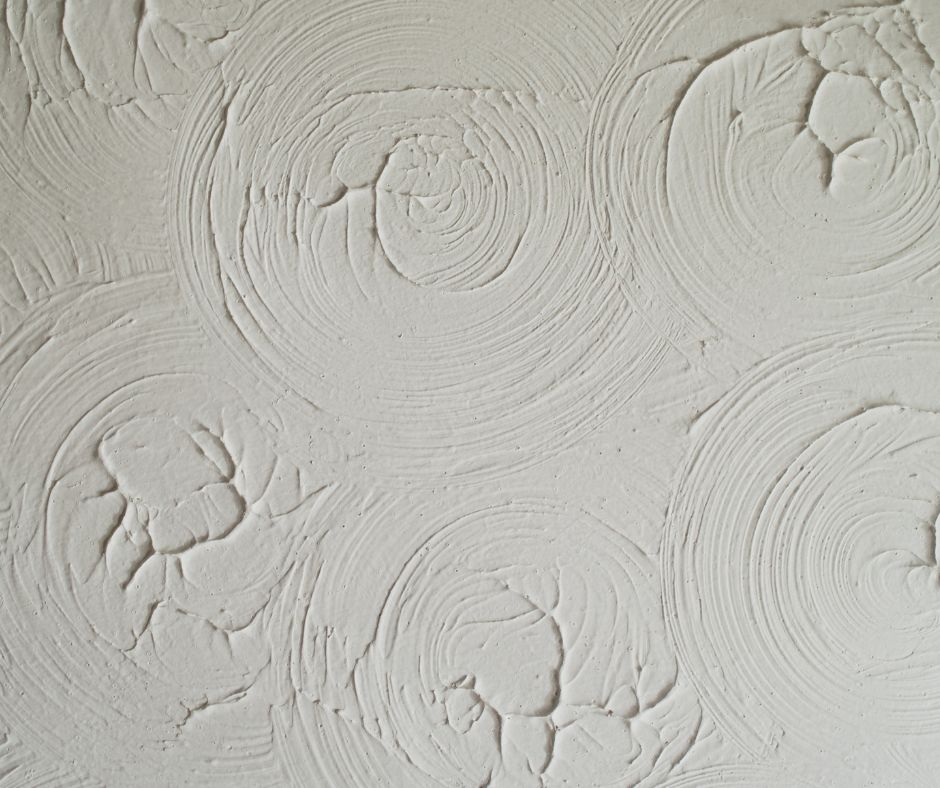
Ready to Discuss Your Project?
Whether you’re planning a single room, a full property renovation or a larger plastering project, talk to P3 Plastering about your requirements and arrange a free, no-obligation quotation.
Stay up to date with P3 Plastering
Get occasional updates, project inspiration and useful plastering advice. You can unsubscribe at any time.


Contact P3 Plastering
11 Meadowpark Croft, Dinnington, Sheffield, S25 2XP
neil@p3plastering.co.uk
07762 755947
© 2026 P3 Plastering Ltd. All rights reserved.